
Have you noticed a bony protrusion on the side of your big toe? If so, you may have developed the foot condition known as a bunion. Don't let bunions interfere with your daily activities.
Have you noticed a bony protrusion on the side of your big toe? If so, you may have developed the foot condition known as a bunion. Don't let bunions interfere with your daily activities.

The Achilles tendon is a strong band of tissue that connects the calf muscles to the heel bone. It helps the foot push off the ground when walking, running, or jumping. An injury can range from irritation caused by repeated strain to a partial or complete tear. Symptoms include pain near the back of the heel, swelling, and stiffness. An Achilles tendon tear can cause a popping sensation and weakness. Some patients feel as though they were kicked in the calf. They may have trouble bearing weight, pushing off the injured foot, or standing on their toes.
Achilles tendon injuries can occur when the tendon is placed under sudden or repeated stress. Running, jumping, and quickly changing direction can raise the risk. A missed step or fall can also cause a tear. Risk factors include tight calf muscles, a previous Achilles tendon injury, and a sudden increase in activity. Pain that appears gradually can signal inflammation or minor tendon damage. Sudden pain with a pop, loss of strength, or difficulty walking can point to a more serious tear and requires immediate help.
A podiatrist typically asks how the injury happened and examines the back of the ankle for pain, swelling, and weakness. The examination also checks ankle movement and the tendon’s ability to support a push-off motion. Ultrasound or MRI imaging may be ordered to confirm whether the tendon is irritated, partly torn, or completely torn. Treatment depends on the location and severity of the damage. A podiatrist can protect the tendon with a cast, brace, or walking boot while it heals. Follow-up visits allow the podiatrist to monitor healing and guide a safe return to activity. If you have an Achilles tendon injury, it is suggested that you schedule an appointment with a podiatrist for effective relief and treatment solutions.
Achilles tendon injuries need immediate attention to avoid future complications. If you have any concerns, contact Ali Davis, DPM of The Foot Clinic. Our doctor can provide the care you need to keep you pain-free and on your feet.
What Is the Achilles Tendon?
The Achilles tendon is a tendon that connects the lower leg muscles and calf to the heel of the foot. It is the strongest tendon in the human body and is essential for making movement possible. Because this tendon is such an integral part of the body, any injuries to it can create immense difficulties and should immediately be presented to a doctor.
What Are the Symptoms of an Achilles Tendon Injury?
There are various types of injuries that can affect the Achilles tendon. The two most common injuries are Achilles tendinitis and ruptures of the tendon.
Achilles Tendinitis Symptoms
Rupture Symptoms
Treatment and Prevention
Achilles tendon injuries are diagnosed by a thorough physical evaluation, which can include an MRI. Treatment involves rest, physical therapy, and in some cases, surgery. However, various preventative measures can be taken to avoid these injuries, such as:
If you have any questions please feel free to contact our office located in Overland Park, KS . We offer the newest diagnostic tools and technology to treat your foot and ankle needs.

Heel pain can range from a mild ache to discomfort that makes walking difficult. The heel is the largest bone in the foot and handles significant pressure with each step. Pain can develop after injury or repeated stress. Plantar fasciitis occurs when excessive pressure damages the thick band of tissue that supports the bottom of the foot, leading to pain and stiffness. Achilles tendonitis can also cause heel pain when the tendon connecting the calf muscles to the heel becomes irritated from overuse.
Other causes of heel pain include sprains, fractures, and bursitis. Bursitis affects small, fluid-filled sacs that cushion areas where tissues meet bone. Certain forms of arthritis can also produce heel discomfort. Symptoms deserve prompt attention when pain begins suddenly or becomes severe. Redness and swelling are other warning signs. Heel pain can change the way a person walks, which can affect balance and increase the risk of falling. Finding the cause is important because different heel problems require different approaches to treatment.
A podiatrist can evaluate heel pain by examining the foot and asking when the symptoms started. The examination can help determine whether the problem involves the plantar fascia, Achilles tendon, or another structure. Imaging, like an X-ray, can provide more information when a bone injury or another problem is suspected. Treatment depends on the cause and severity of the pain. A podiatrist can recommend supportive devices that reduce pressure on painful areas and improve foot support. Proper treatment can help protect mobility and reduce the chance of further injury. If you have heel pain, it is suggested that you schedule an appointment with a podiatrist for a diagnosis and appropriate treatment.
Many people suffer from bouts of heel pain. For more information, contact Ali Davis, DPM of The Foot Clinic. Our doctor can provide the care you need to keep you pain-free and on your feet.
Causes of Heel Pain
Heel pain is often associated with plantar fasciitis. The plantar fascia is a band of tissues that extends along the bottom of the foot. A rip or tear in this ligament can cause inflammation of the tissue.
Achilles tendonitis is another cause of heel pain. Inflammation of the Achilles tendon will cause pain from fractures and muscle tearing. Lack of flexibility is also another symptom.
Heel spurs are another cause of pain. When the tissues of the plantar fascia undergo a great deal of stress, it can lead to ligament separation from the heel bone, causing heel spurs.
Why Might Heel Pain Occur?
Treatments
Heel pain should be treated as soon as possible for immediate results. Keeping your feet in a stress-free environment will help. If you suffer from Achilles tendonitis or plantar fasciitis, applying ice will reduce the swelling. Stretching before an exercise like running will help the muscles. Using all these tips will help make heel pain a condition of the past.
If you have any questions, please feel free to contact our office located in Overland Park, KS . We offer the newest diagnostic and treatment technologies for all your foot care needs.
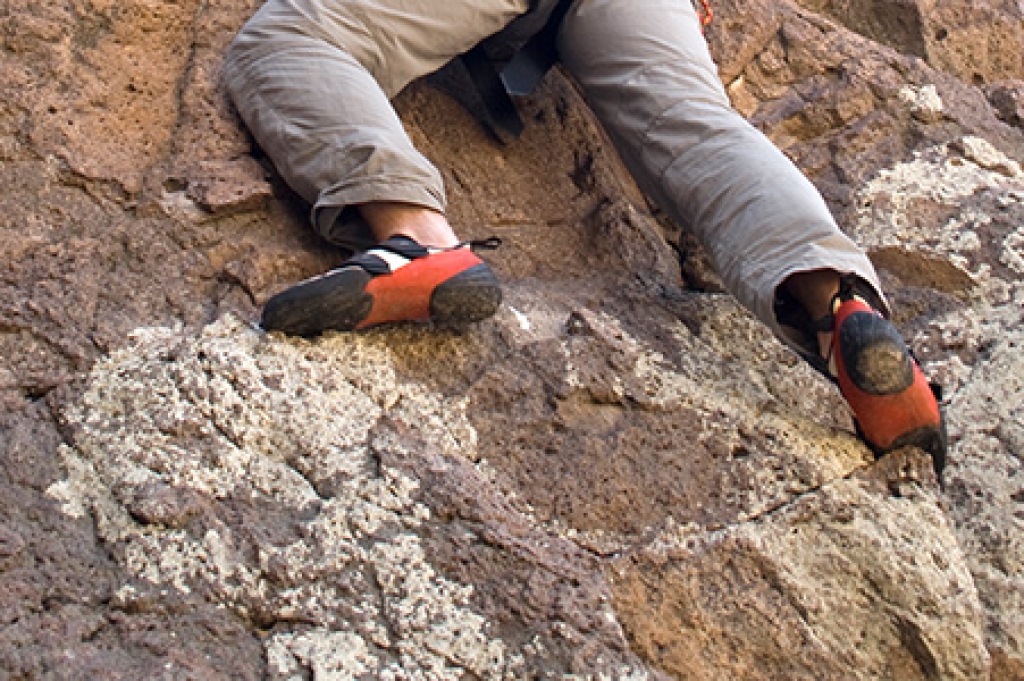
Foot pain is a common concern among rock climbers because the feet experience constant pressure while gripping small holds and maintaining balance on the wall. Climbing shoes are designed to provide a close and secure fit, but wearing shoes that are excessively tight can compress the toes and place pressure on the forefoot. Repeated climbing sessions can also overload the muscles, ligaments, and joints of the feet. Common symptoms include aching, burning, or swelling. Pain may become more noticeable during a climb and can continue afterward if the tissues have been irritated.
Wearing tight climbing shoes is one potential cause of foot discomfort. Although climbing shoes should fit securely, excessive compression can restrict normal toe movement and create pressure points. Repetitive loading can also contribute to strains involving muscles or tendons. Contusions may occur when the foot repeatedly contacts the wall or is compressed against holds. Risk factors include frequent climbing, wearing poor-fitting shoes, and returning to climbing too quickly after an injury.
A podiatrist can evaluate foot pain in rock climbers and determine whether the discomfort is related to footwear, overuse, or an injury. The evaluation may include reviewing climbing habits, examining the foot for tenderness or swelling, and checking strength and range of motion. The podiatrist may also assess walking mechanics and foot structure. Treatment may include activity modification, wearing supportive footwear, and stretching. If a strain or contusion is suspected, the podiatrist can recommend appropriate measures to protect the affected area while it heals.
Climbers can support foot health by paying attention to pain instead of trying to push through persistent symptoms. A properly fitted climbing shoe should provide control without creating excessive pressure or severe discomfort. If you have foot pain from rock climbing, it is suggested that you consult a podiatrist for an accurate diagnosis and appropriate treatment.
Sports related foot and ankle injuries require proper treatment before players can go back to their regular routines. For more information, contact Ali Davis, DPM of The Foot Clinic. Our doctor can provide the care you need to keep you pain-free and on your feet.
Sports Related Foot and Ankle Injuries
Foot and ankle injuries are a common occurrence when it comes to athletes of any sport. While many athletes dismiss the initial aches and pains, the truth is that ignoring potential foot and ankle injuries can lead to serious problems. As athletes continue to place pressure and strain the area further, a mild injury can turn into something as serious as a rupture and may lead to a permanent disability. There are many factors that contribute to sports related foot and ankle injuries, which include failure to warm up properly, not providing support or wearing bad footwear. Common injuries and conditions athletes face, including:
Sports related injuries are commonly treated using the RICE method. This includes rest, applying ice to the injured area, compression and elevating the ankle. More serious sprains and injuries may require surgery, which could include arthroscopic and reconstructive surgery. Rehabilitation and therapy may also be required in order to get any recovering athlete to become fully functional again. Any unusual aches and pains an athlete sustains must be evaluated by a licensed, reputable medical professional.
If you have any questions please contact our office located in Overland Park, KS . We offer the newest diagnostic and treatment technologies for all your foot and ankle needs.

Ankle pain can make standing, walking, and climbing stairs difficult. The discomfort can develop after an injury, like tripping or rolling the ankle. It can also appear when an existing ankle problem becomes irritated or when muscles surrounding the joint are weak. The ankle contains soft tissues, including ligaments and tendons, that can become injured. Symptoms include pain, swelling, and stiffness. Some people also develop a limp because putting weight on the ankle feels uncomfortable. Pain can spread into the nearby calf or foot, making everyday movement more challenging.
Ankle problems can affect movement and strength, especially after a sprain or other soft-tissue injury. A sprain happens when ankle ligaments are stretched too far and tear. Depending on the injury, the damage can range from a small tear to a complete rupture. An ankle that is misshapen or difficult to bear weight on can signal a more serious problem. Significant swelling, redness, or heat around the ankle also deserves prompt attention. Returning to normal movement safely is important because ankle strength and joint stability support balance. A podiatrist can determine which structures are contributing to the pain.
A podiatrist can examine the ankle, review how the injury happened, and assess the patient's walking pattern. The evaluation can also identify limited joint movement or weakness that places extra strain on the ankle. Treatment can focus on restoring comfortable motion, improving stability, and supporting proper foot mechanics. A podiatrist can recommend supportive devices when appropriate, and guide a safe return to normal activities. Addressing ankle pain can help reduce problems with walking and lower the chance of repeated injury. Persistent or worsening symptoms should be evaluated rather than ignored. If you have ankle pain, it is suggested that you schedule an appointment with a podiatrist for a diagnosis and appropriate treatment.
Ankle pain can have many different causes and the pain may potentially be serious. If you have ankle pain, consult with Ali Davis, DPM from The Foot Clinic. Our doctor will assess your condition and provide you with quality foot and ankle treatment.
Ankle pain is any condition that causes pain in the ankle. Due to the fact that the ankle consists of tendons, muscles, bones, and ligaments, ankle pain can come from a number of different conditions.
Causes
The most common causes of ankle pain include:
Symptoms
Symptoms of ankle injury vary based upon the condition. Pain may include general pain and discomfort, swelling, aching, redness, bruising, burning or stabbing sensations, and/or loss of sensation.
Diagnosis
Due to the wide variety of potential causes of ankle pain, podiatrists will utilize a number of different methods to properly diagnose ankle pain. This can include asking for personal and family medical histories and of any recent injuries. Further diagnosis may include sensation tests, a physical examination, and potentially x-rays or other imaging tests.
Treatment
Just as the range of causes varies widely, so do treatments. Some more common treatments are rest, ice packs, keeping pressure off the foot, orthotics and braces, medication for inflammation and pain, and surgery.
If you have any questions please feel free to contact our office located in Overland Park, KS . We offer the newest diagnostic tools and technology to treat your foot and ankle needs.
Connect With Us
