
Custom orthotics, or shoe inserts, should be periodically replaced. Orthotics must fit properly to give you the best results. Protect your feet and ankles!
Custom orthotics, or shoe inserts, should be periodically replaced. Orthotics must fit properly to give you the best results. Protect your feet and ankles!
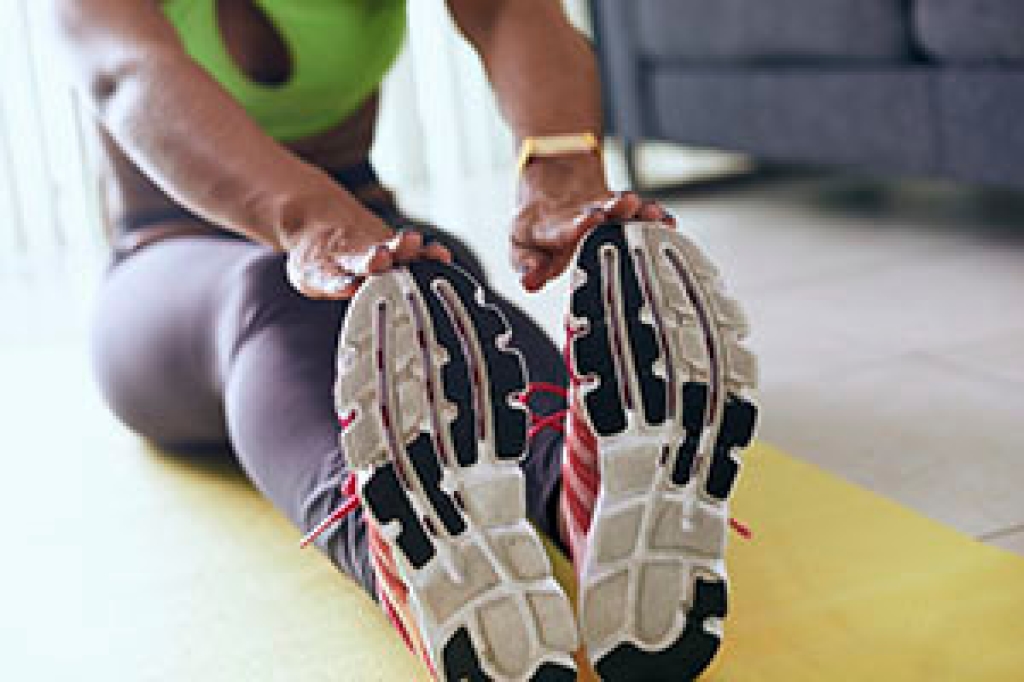 Many people have a strong desire to run in a marathon. Research has indicated the importance of warming up properly as the training regime begins, and this may be helpful in preventing running injuries. An injury to the plantar fascia typically starts by noticing pain in the heel. It is recommended that the calves and arches are properly stretched before beginning the physical training that is necessary to run a marathon. This can help to keep the muscles and tendons flexible. Ankle injuries may be avoided by performing heel drops, which can help to build strength in the ankles. Additionally, it is helpful to wear running shoes that are made of a lightweight material, and have adequate cushioning. If you enjoy the sport of running, and would like additional information about how the feet may be affected by running injuries, please consult with a podiatrist.
All runners should take extra precaution when trying to avoid injury. If you have any concerns about your feet, contact Ali Davis, DPM of The Foot Clinic. Our doctor will treat your foot and ankle needs.
How to Prevent Running Injuries
There are a lot of mistakes a runner can make prior to a workout that can induce injury. A lot of athletes tend to overstretch before running, instead of saving those workouts for a post-run routine. Deep lunges and hand-to-toe hamstring pulls should be performed after a workout instead of during a warmup. Another common mistake is jumping into an intense routine before your body is physically prepared for it. You should try to ease your way into long-distance running instead of forcing yourself to rush into it.
More Tips for Preventing Injury
If you have any questions, please feel free to contact our office located in Overland Park, KS . We offer the newest diagnostic and treatment technologies for all your foot care needs.
 Many patients choose to have foot surgery performed as an option to relieve severe pain and discomfort. Relief may be found when toenail removal is chosen to correct chronically infected ingrown toenails. Bunion surgery may be a choice to consider if the bunion is painful and unsightly. Research has indicated it is helpful to wear orthotics following a bunionectomy, as this may help to achieve long lasting relief. If pain is felt from a deformed ankle, the surgery that may help diminish the discomfort is referred to as an ankle fusion. Additionally, this type of surgery may help patients who have ankle arthritis, and neuromuscular disorders. If you have foot pain, and are considering surgery, it is strongly advised that you schedule a consultation with a podiatrist who can properly guide you toward making the choice that is correct for you.
Foot surgery is sometimes necessary to treat a foot ailment. To learn more, contact Ali Davis, DPM of The Foot Clinic. Our doctor will assist you with all of your foot and ankle needs.
When Is Surgery Necessary?
Foot and ankle surgery is generally reserved for cases in which less invasive, conservative procedures have failed to alleviate the problem. Some of the cases in which surgery may be necessary include:
What Types of Surgery Are There?
The type of surgery you receive will depend on the nature of the problem you have. Some of the possible surgeries include:
Benefits of Surgery
Although surgery is usually a last resort, it can provide more complete pain relief compared to non-surgical methods and may allow you to finally resume full activity.
Surgical techniques have also become increasingly sophisticated. Techniques like endoscopic surgery allow for smaller incisions and faster recovery times.
If you have any questions, please feel free to contact our office located in Overland Park, KS . We offer the newest diagnostic and treatment technologies for all your foot care needs.
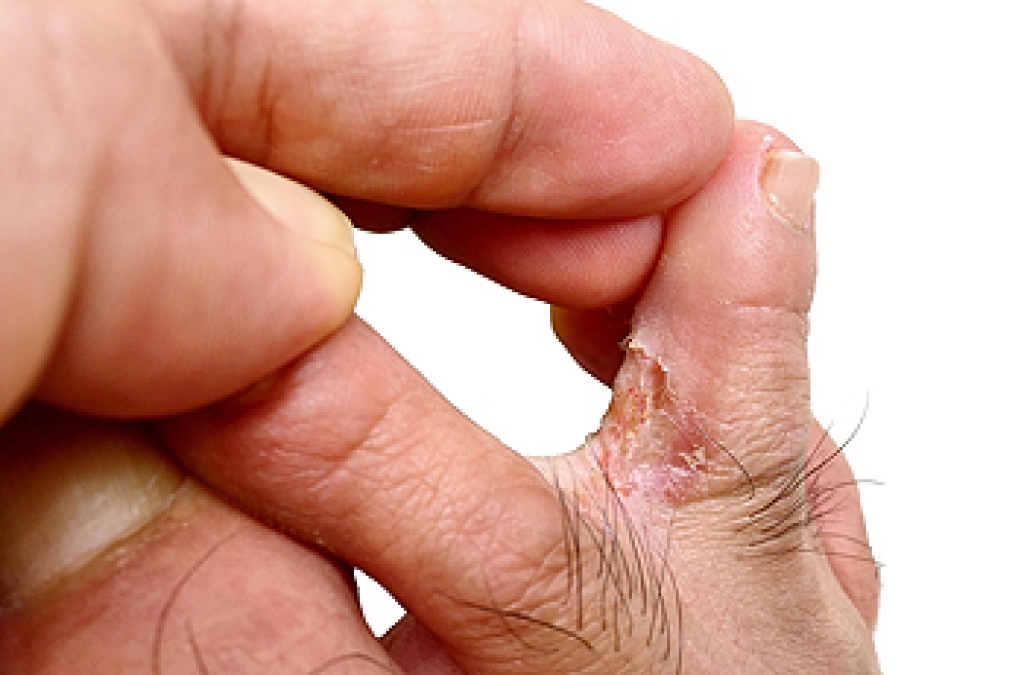 A corn can form on different parts of the foot as a result of excess friction. It is defined as a hard, thickened area, and will typically cause severe pain and discomfort. If the shoes that are worn do not fit properly, a corn may form on the inside of the pinky toe. Relief may be found if a pad is worn over the affected area. Additionally, it may help to soak the affected foot in warm water, as this may aid in softening the corn. Afterward, a pumice stone can be used in gently filing the corn to remove any dead skin. When toenails are properly trimmed, pressure may be avoided from the nail touching the skin, and this may help to prevent corns from developing. If you are afflicted with corns, it is suggested that you seek the counsel of a podiatrist who can assist you in choosing the proper treatment.
If you have any concerns regarding your feet and ankles, contact Ali Davis, DPM of The Foot Clinic. Our doctor will treat your foot and ankle needs.
Corns: What Are They? and How Do You Get Rid of Them?
Corns can be described as areas of the skin that have thickened to the point of becoming painful or irritating. They are often layers and layers of the skin that have become dry and rough, and are normally smaller than calluses.
Ways to Prevent Corns
There are many ways to get rid of painful corns such as wearing:
Treating Corns
Treatment of corns involves removing the dead skin that has built up in the specific area of the foot. Consult with Our doctor to determine the best treatment option for your case of corns.
If you have any questions, please feel free to contact our office located in Overland Park, KS . We offer the newest diagnostic and treatment technologies for all your foot care needs.
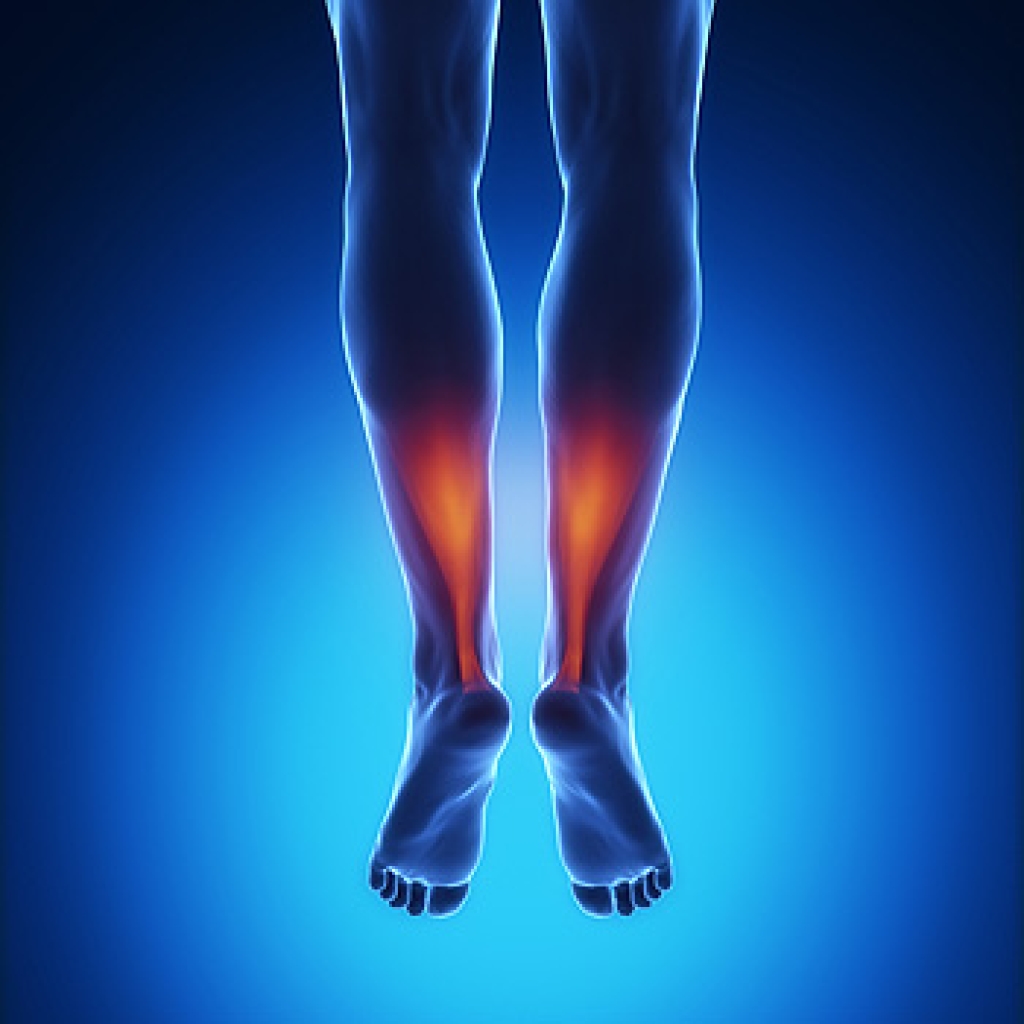
The Achilles tendon connects the heel to the calf muscles, and it is located in the back of the leg, directly above the heel. It is known to be the largest tendon in the body, and if it should become injured, it may be difficult to walk and run. This tendon enables the foot to point and flex, in addition to standing on tiptoe. There are noticeable symptoms that exist if an Achilles tendon injury has occurred. These can include severe pain in the back of the leg, the inability to bend the foot, and some patients may also notice the ankle is bruised and weak. As the aging process occurs, it is important to perform proper stretches that can keep the Achilles tendon strong, and this may be helpful in preventing a painful injury from occurring. It can become torn or injured if you suddenly step off of a curb, which may overstretch the tendon. Moderate relief may be found when the affected foot is elevated, and it may feel comforting if an elastic bandage is wrapped around the foot to provide additional support. If you have injured your Achilles tendon, it is advised that you consult with a podiatrist who can properly treat this condition.
Achilles tendon injuries need immediate attention to avoid future complications. If you have any concerns, contact Ali Davis, DPM of The Foot Clinic. Our doctor can provide the care you need to keep you pain-free and on your feet.
What Is the Achilles Tendon?
The Achilles tendon is a tendon that connects the lower leg muscles and calf to the heel of the foot. It is the strongest tendon in the human body and is essential for making movement possible. Because this tendon is such an integral part of the body, any injuries to it can create immense difficulties and should immediately be presented to a doctor.
What Are the Symptoms of an Achilles Tendon Injury?
There are various types of injuries that can affect the Achilles tendon. The two most common injuries are Achilles tendinitis and ruptures of the tendon.
Achilles Tendinitis Symptoms
Rupture Symptoms
Treatment and Prevention
Achilles tendon injuries are diagnosed by a thorough physical evaluation, which can include an MRI. Treatment involves rest, physical therapy, and in some cases, surgery. However, various preventative measures can be taken to avoid these injuries, such as:
If you have any questions please feel free to contact our office located in Overland Park, KS . We offer the newest diagnostic tools and technology to treat your foot and ankle needs.
Connect With Us
