vulpine
The Walk-In Clinic is currently unavailable.

Shockwave Therapy for Plantar Fasciitis

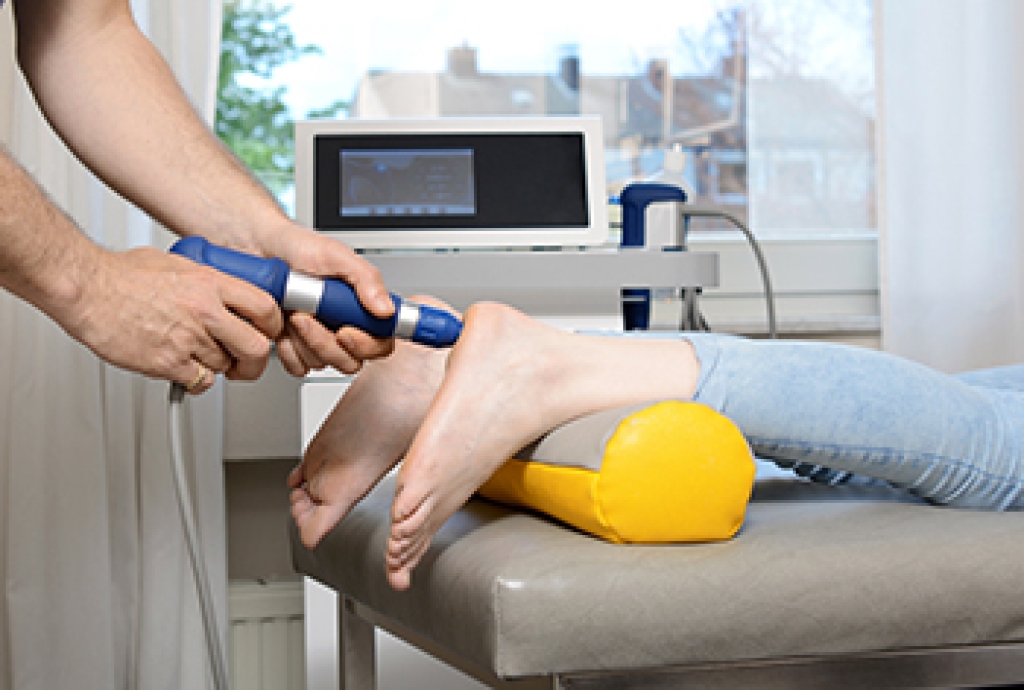
Many people seek help for pain from plantar fasciitis, an inflammation of the band of tissue that runs beneath the foot from the toes to the heel. Some simple remedies for plantar fasciitis include rest, exercise, and medication. It has also been found that shockwave therapy can be effective in reducing pain and helping to heal the plantar fascia. This non-invasive treatment consists of applying penetrating waves of ultrasound energy into the inflamed area. The body responds by creating new blood vessels and stimulates nerve endings that can help to heal the area. While the treatment occurs without any surgery, it can be painful. Sometimes multiple treatments are required, depending on the severity of the plantar fasciitis. Results of shockwave therapy may vary, but most commonly the pain of plantar fasciitis subsides. Fortunately, there are many ways to treat symptoms of plantar fasciitis. Please consult a podiatrist for more information on the treatment options that are best for you. 

Shockwave therapy is a treatment commonly used to treat various injuries and conditions, particularly plantar fasciitis in the feet. To learn more, consult with Ali Davis, DPM from The Foot Clinic. Our doctor can provide the care you need to keep you pain-free and on your feet.

Shockwave Therapy

Shockwave therapy is a new treatment option designed to treat bone conditions such as tennis elbow, shoulder pain, and others. Shockwave therapy uses high intensity sound waves that are directed to the affected tissues of the body with pinpoint accuracy. The effects are very beneficial, leading to a production of collagen fibers, eliminating inflammation.

Who Benefits from Shockwave?

Shockwave is recommended for patients suffering from heel pain and associated problems. Heel pain is a common condition which can be caused by obesity, overexertion, and spending a substantial amount of time on hard floors with your feet exposed and unsupported.

Fast and Easy

The therapy is actually a simple process that can leave patients feeling better the very next day. Shockwave therapy is not as dramatic as it sounds. It enables more blood flow to effected areas, addressing the source of the problem and allowing treatment to last for a long time.

Treatment & Recovery Time

Shockwave treatment will enable your feet to recover quickly. This is especially important since surgery is not required. It is cost effective and does not require the use of anesthesia. This treatment is a better option to surgery, since it is proven safe.

If you have any questions, please feel free to contact our office located in Overland Park, KS . We offer the newest diagnostic and treatment technologies for all your foot care needs.
Read more about Shockwave Therapy

Causes, Definition, and Embracing Life While Living With a Bunion

Bunions are a prevalent foot condition, bringing discomfort and challenges to daily life. These bony protrusions, medically known as hallux valgus, develop at the joint where the big toe meets the foot. They often occur from a combination of factors, including genetics, ill- fitting footwear, and structural anomalies in the foot. Defined by the outward deviation of the big toe and the subsequent misalignment of bones, bunions can cause pain, swelling, and difficulty in finding comfortable shoes. Living with bunions requires proactive measures. Choosing shoes that have ample toe space and arch support can help to reduce discomfort. Surgery may be needed for removal if the bunion is severe and affecting the other toes. If you have a bunion, it is strongly suggested that you are under the care of a podiatrist who can provide you with treatment options that are right for you.

If you are suffering from bunions, contact Ali Davis, DPM of The Foot Clinic. Our doctor can provide the care you need to keep you pain-free and on your feet.

What Is a Bunion?

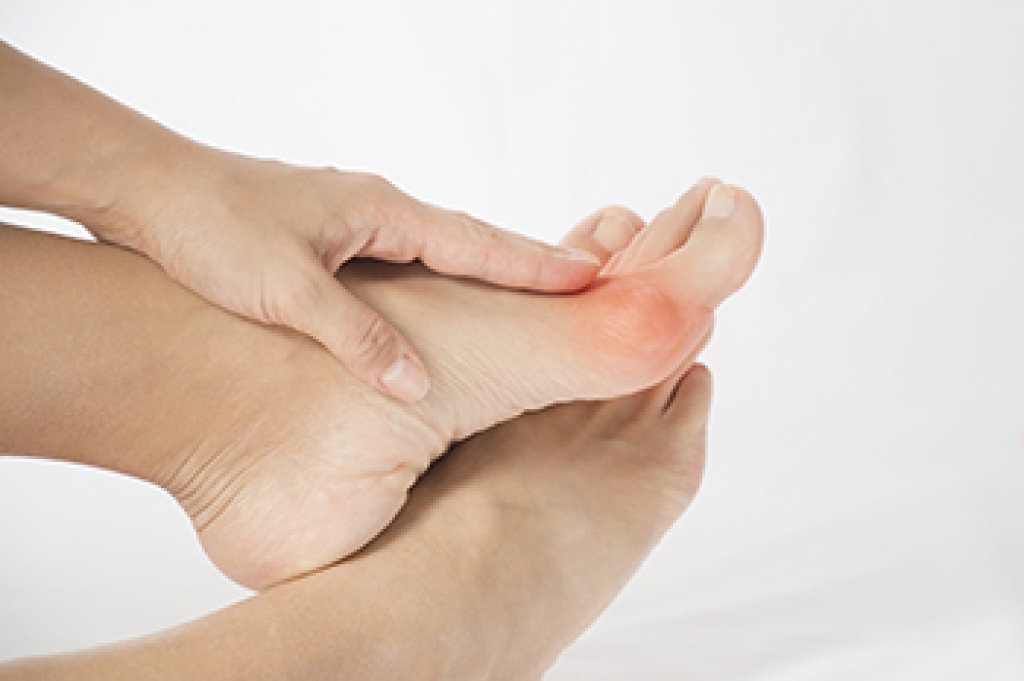
A bunion is formed of swollen tissue or an enlargement of boney growth, usually located at the base joint of the toe that connects to the foot. The swelling occurs due to the bones in the big toe shifting inward, which impacts the other toes of the foot. This causes the area around the base of the big toe to become inflamed and painful.

Why Do Bunions Form?

Genetics – Susceptibility to bunions are often hereditary

Stress on the feet – Poorly fitted and uncomfortable footwear that places stress on feet, such as heels, can worsen existing bunions

How Are Bunions Diagnosed?

Podiatrists often perform two tests – blood tests and x-rays – when trying to diagnose bunions, especially in the early stages of development. Blood tests help determine if the foot pain is being caused by something else, such as arthritis, while x-rays provide a clear picture of your bone structure to your provider.

How Are Bunions Treated?

  • Refrain from wearing heels or similar shoes that cause discomfort
  • Select wider shoes that can provide more comfort and reduce pain
  • Anti-inflammatory and pain management drugs
  • Orthotics or foot inserts
  • Surgery

If you have any questions, please feel free to contact our office located in Overland Park, KS . We offer the newest diagnostic and treatment technologies for all your foot care needs.
Read more about Bunions

Risk Factors for Developing Cuboid Syndrome

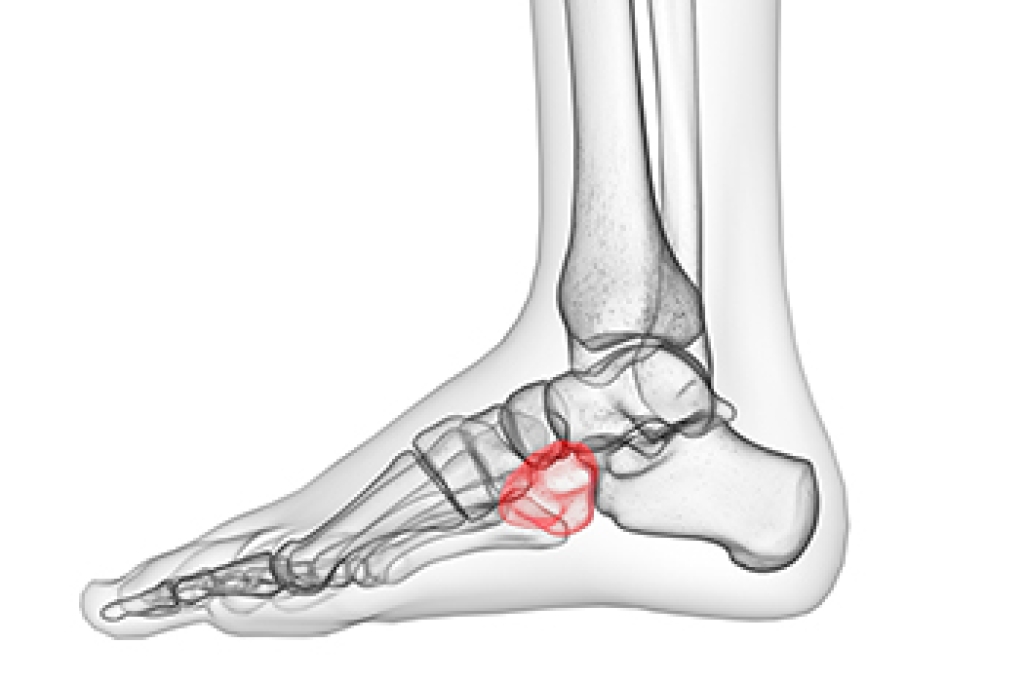
Cuboid syndrome is a painful foot condition that can significantly disrupt mobility and daily activities. It occurs when the cuboid bone becomes displaced. The exact cause of cuboid syndrome is often attributed to sudden or excessive forces applied to the foot during activities such as running, jumping, or rolling the ankle. Athletes and individuals who engage in high-impact sports or activities are at a higher risk for this condition due to the repetitive stress placed on the foot. Additionally, people who have flat feet or those who wear poorly fitting shoes may also be prone to developing cuboid syndrome. Recognizing and addressing these risk factors is crucial in preventing the occurrence of cuboid syndrome and maintaining optimal foot health. Seeking professional care promptly is essential for an accurate diagnosis and appropriate treatment to ensure a swift recovery. If you have pain in the outer part of your foot, it is strongly suggested that you speak with a podiatrist who can diagnose and treat cuboid syndrome.

Cuboid syndrome, also known as cuboid subluxation, occurs when the joints and ligaments near the cuboid bone in the foot become torn. If you have cuboid syndrome, consult with Ali Davis, DPM from The Foot Clinic. Our doctor will assess your condition and provide you with quality foot and ankle treatment.

Cuboid syndrome is a common cause of lateral foot pain, which is pain on the outside of the foot. The condition may happen suddenly due to an ankle sprain, or it may develop slowly overtime from repetitive tension through the bone and surrounding structures.

Causes

The most common causes of cuboid syndrome include:

  • Injury – The most common cause of this ailment is an ankle sprain.
  • Repetitive Strain – Tension placed through the peroneus longus muscle from repetitive activities such as jumping and running may cause excessive traction on the bone causing it to sublux.
  • Altered Foot Biomechanics – Most people suffering from cuboid subluxation have flat feet.

Symptoms

A common symptom of cuboid syndrome is pain along the outside of the foot which can be felt in the ankle and toes. This pain may create walking difficulties and may cause those with the condition to walk with a limp.

Diagnosis

Diagnosis of cuboid syndrome is often difficult, and it is often misdiagnosed. X-rays, MRIs and CT scans often fail to properly show the cuboid subluxation. Although there isn’t a specific test used to diagnose cuboid syndrome, your podiatrist will usually check if pain is felt while pressing firmly on the cuboid bone of your foot.

Treatment

Just as the range of causes varies widely, so do treatments. Some more common treatments are ice therapy, rest, exercise, taping, and orthotics.

If you have any questions, please feel free to contact our office located in Overland Park, KS . We offer the newest diagnostic and treatment technologies for all your foot care needs.

Read more about All About Cuboid Syndrome

How Athlete’s Foot Spreads

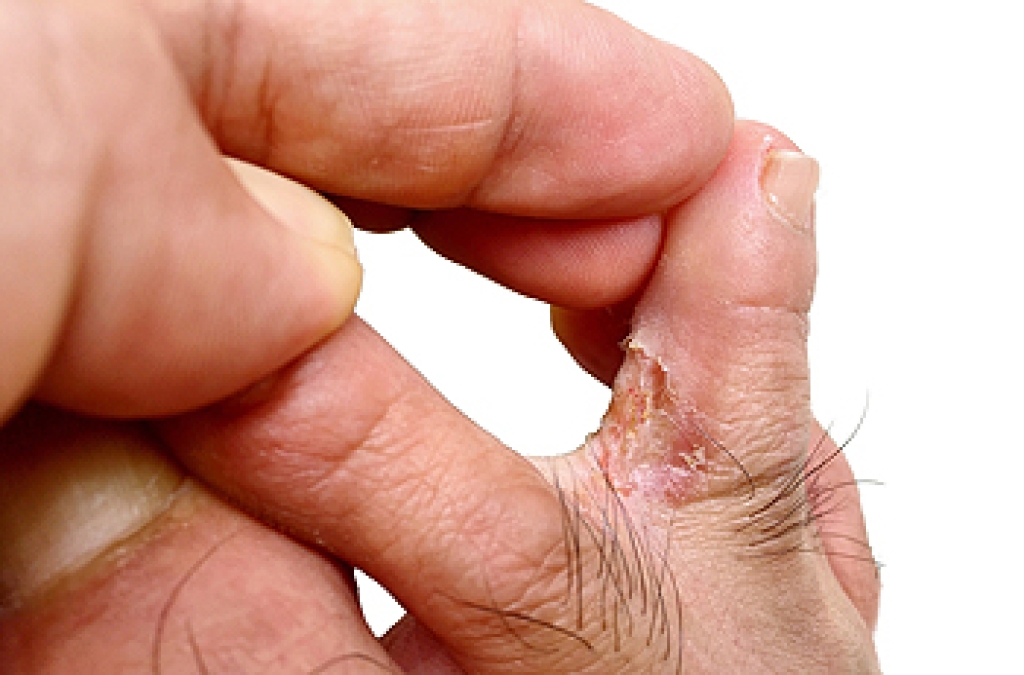
Athlete’s foot is a pesky kind of foot condition in which the skin between the toes becomes irritated and flaky due to a fungal infection. Interestingly, athlete's foot is contagious because the fungal infection can spread from one person to another. There is a very particular way in which an athlete’s foot infection spreads between people. Namely, when an individual with athlete’s foot walks barefoot on a surface, they leave behind fungal spores. These spores can attach to many things such as shoes, clothes, furniture, and more. When another person comes into contact with these spores, they can also contract the fungal infection. If you have athlete's foot or are looking to protect yourself from developing it, it is suggested that you contact a podiatrist today for treatment.

Athlete’s foot is an inconvenient condition that can be easily reduced with the proper treatment. If you have any concerns about your feet and ankles, contact Ali Davis, DPM from The Foot Clinic.  Our doctor will treat your foot and ankle needs.

Athlete’s Foot: The Sole Story

Athlete's foot, also known as tinea pedis, can be an extremely contagious foot infection. It is commonly contracted in public changing areas and bathrooms, dormitory style living quarters, around locker rooms and public swimming pools, or anywhere your feet often come into contact with other people.

Solutions to Combat Athlete’s Foot

  • Hydrate your feet by using lotion
  • Exfoliate
  • Buff off nails
  • Use of anti-fungal products
  • Examine your feet and visit your doctor if any suspicious blisters or cuts develop

Athlete’s foot can cause many irritating symptoms such as dry and flaking skin, itching, and redness. Some more severe symptoms can include bleeding and cracked skin, intense itching and burning, and even pain when walking. In the worst cases, Athlete’s foot can cause blistering as well. Speak to your podiatrist for a better understanding of the different causes of Athlete’s foot, as well as help in determining which treatment options are best for you.

If you have any questions please feel free to contact our office located in Overland Park, KS . We offer the newest diagnostic and treatment technologies for all your foot and ankle needs.

Read more about How to Deal with Athlete's Foot

Why Live with Pain and Numbness in Your Feet?

Suffering from this type of pain? You may have the foot condition known as Morton's neuroma. Morton's neuroma may develop as a result of ill-fitting footwear and existing foot deformities. We can help.

Connect With Us

Advanced Podiatric Procedures & Services in the areas