
Your feet are covered most of the day. If you're diabetic, periodic screening is important for good health. Numbness is often a sign of diabetic foot and can mask a sore or wound.
Your feet are covered most of the day. If you're diabetic, periodic screening is important for good health. Numbness is often a sign of diabetic foot and can mask a sore or wound.
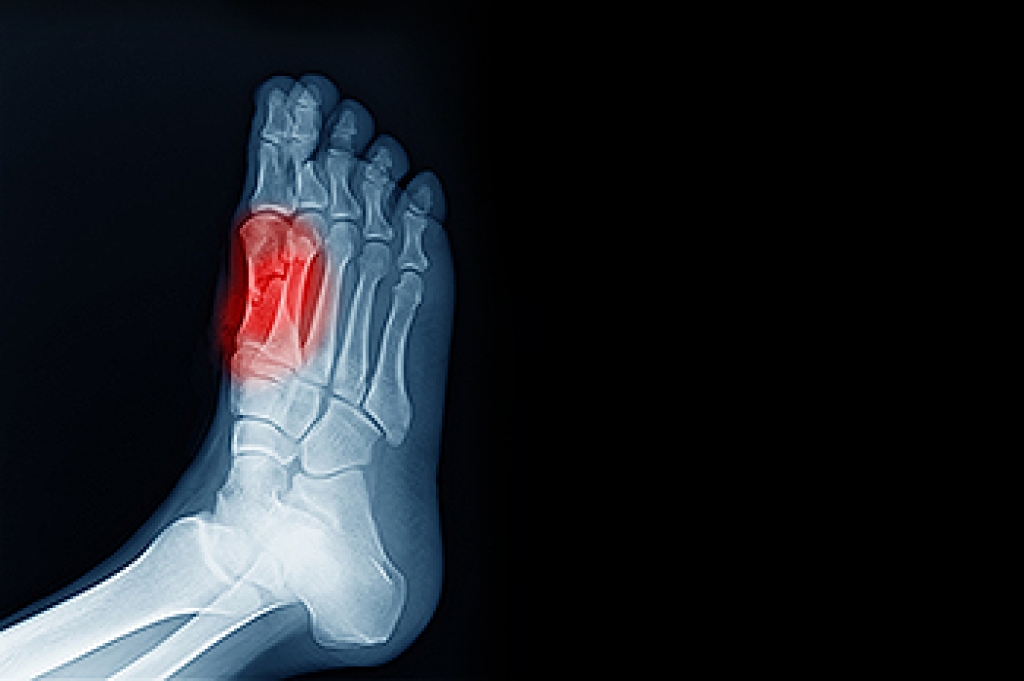
Sesamoiditis is a painful condition involving inflammation of two small bones located beneath the big toe joint. These bones help absorb pressure and assist with movement during walking and running. The condition often develops from repeated stress, especially in runners, dancers, or people who spend long hours on their feet. Pain is usually felt under the ball of the foot and may worsen with activity or pushing off the toes. Treatment often begins with non-surgical care aimed at reducing pressure and inflammation. A podiatrist may recommend activity changes, supportive footwear, custom orthotics, anti-inflammatory treatment, or temporary immobilization to allow healing. Early treatment can help prevent the condition from becoming more severe or leading to chronic pain. If you have pain beneath the big toe joint that worsens with walking or activity, it is suggested that you consult a podiatrist for effective relief and treatment solutions.
Sesamoiditis is an unpleasant foot condition characterized by pain in the balls of the feet. If you think you’re struggling with sesamoiditis, contact Ali Davis, DPM of The Foot Clinic. Our doctor will treat your condition thoroughly and effectively.
Sesamoiditis
Sesamoiditis is a condition of the foot that affects the ball of the foot. It is more common in younger people than it is in older people. It can also occur with people who have begun a new exercise program, since their bodies are adjusting to the new physical regimen. Pain may also be caused by the inflammation of tendons surrounding the bones. It is important to seek treatment in its early stages because if you ignore the pain, this condition can lead to more serious problems such as severe irritation and bone fractures.
Causes of Sesamoiditis
Treatment for sesamoiditis is non-invasive and simple. Doctors may recommend a strict rest period where the patient forgoes most physical activity. This will help give the patient time to heal their feet through limited activity. For serious cases, it is best to speak with your doctor to determine a treatment option that will help your specific needs.
If you have any questions, please feel free to contact our office located in Overland Park, KS . We offer the newest diagnostic and treatment technologies for all your foot care needs.
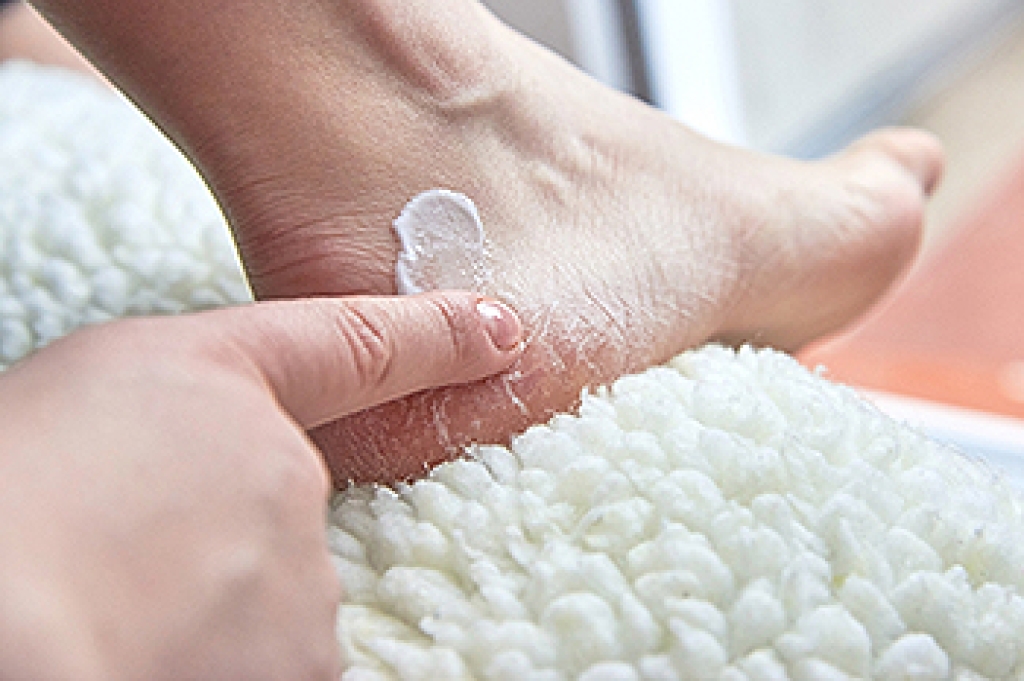
Cracked heels refer to dry, thickened skin on the feet that splits due to pressure and lack of moisture. This condition can be more serious for individuals with diabetes, as nerve damage in the feet may reduce sensation and delay awareness of injury. Symptoms often include flaky skin, visible fissures, inflammation, and varying levels of pain from mild discomfort to severe tenderness. In advanced cases, ulcers may develop and increase the risk of infection. Risk factors include poor circulation, prolonged standing, improper footwear, and unmanaged blood sugar levels. A podiatrist can evaluate the severity, provide treatment, and prevent complications through specialized care. Seeking professional attention early can protect foot health and overall well-being. If you have diabetes and have developed cracked heels, it is suggested that you are under the care of a podiatrist who can provide effective treatment solutions, which may include prescribed medication.
Cracked heels are unsightly and can cause further damage to your shoes and feet. If you have any concerns, contact Ali Davis, DPM from The Foot Clinic. Our doctor can provide the care you need to keep you pain-free and on your feet.
Cracked Heels
Cracked heels appear unappealing and can make it harder for you walk around in sandals. Aside from looking unpleasant, cracked heels can also tear stockings, socks, and wear out your shoes. There are several methods to help restore a cracked heel and prevent further damage.
How Do You Get Them?
Dry skin is the number one culprit in creating cracked heels. Many athletes, walkers, joggers, and even swimmers suffer from cracked heels. Age and skin oil production play a role to getting cracked heels as well.
Promote Healing
Over the counter medicines can help, especially for those that need instant relief or who suffer from chronic dry feet.
Wear Socks – Wearing socks with medicated creams helps lock in moisture.
Moisturizers – Applying both day and night will help alleviate dryness which causes cracking.
Pumice Stones – These exfoliate and remove dead skin, which allows for smoother moisturizer application and better absorption into the skin.
Change in Diet
Eating healthy with a well-balanced diet will give the skin a fresh and radiant look. Your body responds to the kinds of food you ingest. Omega-3 fatty acids and zinc supplements can also revitalize skin tissue.
Most importantly, seek professional help if unsure how to proceed in treating cracked heels. A podiatrist will help you with any questions or information needed.
If you have any questions, please feel free to contact our office located in Overland Park, KS . We offer the newest diagnostic and treatment technologies for all your foot care needs.

Tarsal tunnel syndrome is a condition caused by compression of the tibial nerve as it passes through the tarsal tunnel near the inside of the ankle. This can lead to pain, tingling, burning sensations, or numbness that may travel into the heel, arch, or toes. Symptoms often worsen with standing, walking, or activity. Causes include injury, swelling, flat feet, or repetitive stress on the ankle. Risk factors include certain foot structures, arthritis, and conditions that cause inflammation. This condition can significantly affect walking comfort and daily mobility. A podiatrist can diagnose the issue, identify the source of nerve pressure, and recommend orthotics or other interventions. If you have persistent foot or ankle nerve pain, it is suggested that you consult a podiatrist who can guide you toward effective relief and treatment solutions.
Tarsal tunnel syndrome can be very uncomfortable to live with. If you are experiencing tarsal tunnel syndrome, contact Ali Davis, DPM of The Foot Clinic. Our doctor can provide the care you need to keep you pain-free and on your feet.
Tarsal Tunnel Syndrome
Tarsal tunnel syndrome, which can also be called tibial nerve dysfunction, is an uncommon condition of misfiring peripheral nerves in the foot. The tibial nerve is the peripheral nerve in the leg responsible for sensation and movement of the foot and calf muscles. In tarsal tunnel syndrome, the tibial nerve is damaged, causing problems with movement and feeling in the foot of the affected leg.
Common Cause of Tarsal Tunnel Syndrome
The Effects of Tarsal Tunnel Syndrome
A physical exam of the leg can help identify the presence of tarsal tunnel syndrome. Medical tests, such as a nerve biopsy, are also used to diagnose the condition. Patients may receive physical therapy and prescriptive medication. In extreme cases, some may require surgery.
If you have any questions please contact our office located in Overland Park, KS . We offer the newest diagnostic and treatment technologies for all your foot and ankle needs.
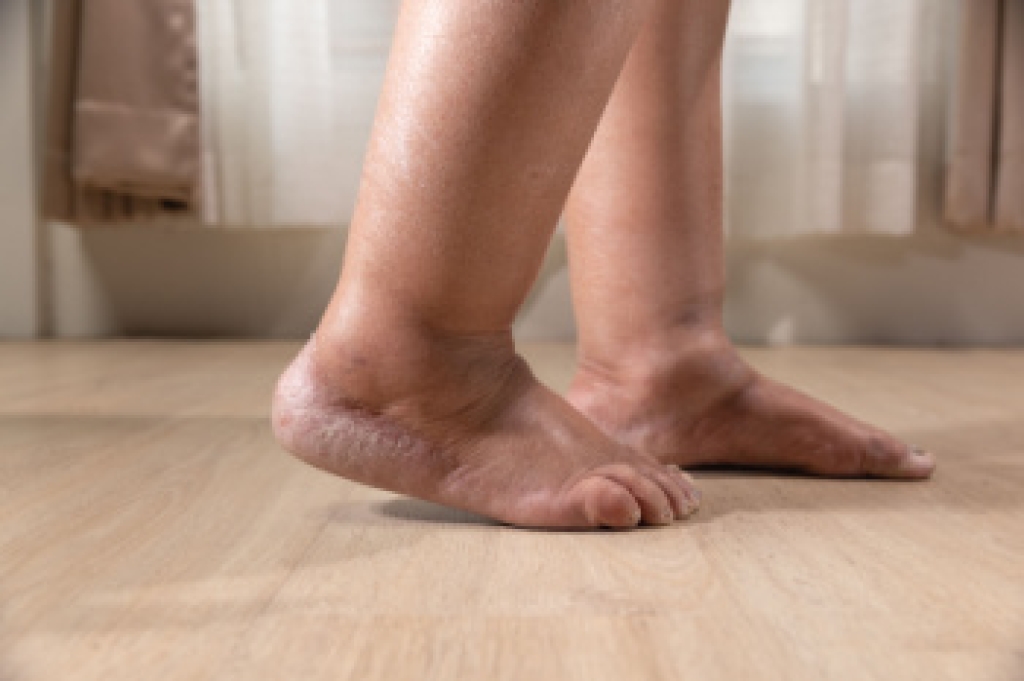
Swollen feet and ankles, also known as edema, occur when fluid builds up in the tissues, causing puffiness and discomfort. This can happen from everyday lifestyle factors such as sitting or standing for long periods, especially during travel, which slows circulation. A high salt diet may also lead to fluid retention. Swelling also can be linked to medical conditions that affect blood flow or fluid balance. Symptoms may include tightness, heaviness, and visible swelling around the feet and ankles. Risk factors include inactivity, poor circulation, and certain health concerns. A podiatrist can evaluate the cause, recommend supportive care, and suggest ways to improve circulation. If your feet and ankles are swollen for most of the day, it is suggested that you consult a podiatrist who can offer effective relief and management tips.
Swollen feet can be a sign of an underlying condition. If you have any concerns, contact Ali Davis, DPM of The Foot Clinic. Our doctor can provide the care you need to keep you pain-free and on your feet.
Swollen feet are a common ailment among pregnant women and people who stand or sit for extended periods. Aging may increase the possibility of swollen feet and patients who are obese often notice when their feet are swelling too. There may be medical reasons why swollen feet occur:
Swollen feet can also be caused by bone and tendon conditions, including fractures, arthritis, and tendinitis. Additionally, there may be skin and toenail conditions and an infection may cause the feet to swell. Patients who take medicine to treat high blood pressure may be prone to getting swollen feet.
Many patients elevate their feet to help relieve the swelling and this is generally a temporary remedy. When a podiatrist is consulted the reason behind the swelling can be uncovered and subsequently treated.
If you have any questions please contact our office located in Overland Park, KS . We offer the newest diagnostic and treatment technologies for all your foot and ankle needs.
Connect With Us
