
If left untreated, an ingrown toenail can lead to more serious concerns, such as an infection. Knowing proper nail care can help in the prevention of an ingrown toenail. Give us a call, and get treated!
If left untreated, an ingrown toenail can lead to more serious concerns, such as an infection. Knowing proper nail care can help in the prevention of an ingrown toenail. Give us a call, and get treated!
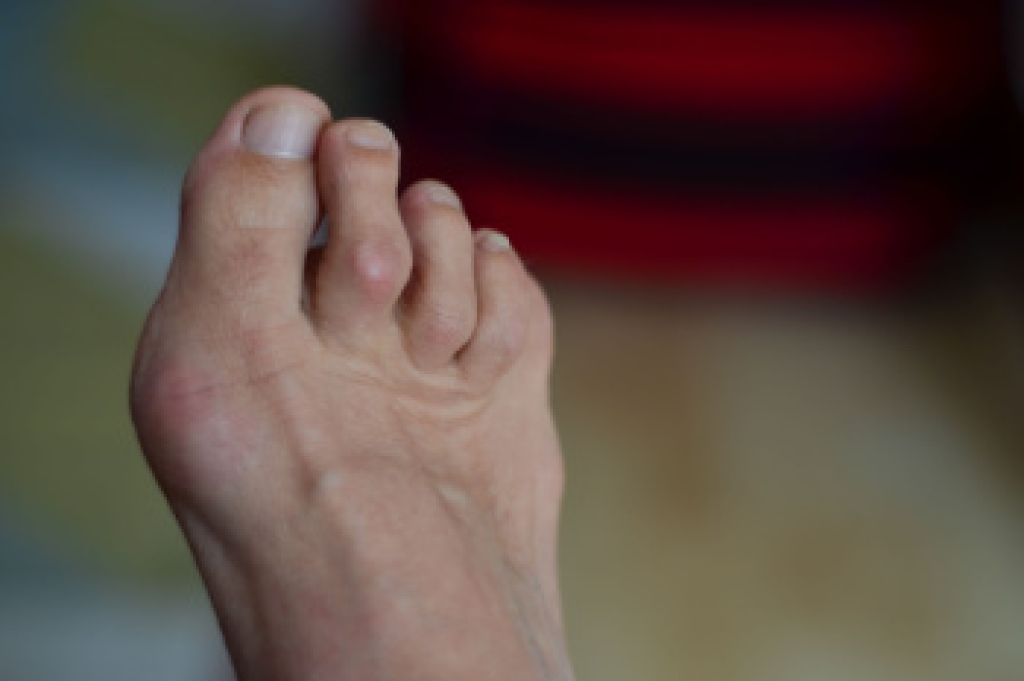
Hammertoe is a foot deformity that causes one or more toes to bend downward at the middle joint, creating a curled or claw-like appearance. This condition most often affects the second, third, or fourth toes and develops when the muscles, tendons, and ligaments surrounding the toe become unbalanced. A tendon imbalance can pull the toe joint out of its normal position, causing misalignment of the joint surfaces and gradual changes in toe structure. While hammertoe may begin as a flexible deformity, it can become rigid over time and lead to ongoing discomfort.
Symptoms of hammertoe can vary depending on the severity of the condition. Many people experience pain while wearing shoes because the bent toe rubs against the inside of footwear, creating pressure points. Additional symptoms include swelling, redness, and difficulty moving the affected toe. As the toe becomes more fixed, finding comfortable shoes may become increasingly challenging.
Several factors can increase the risk of developing hammertoe. Wearing tight-fitting shoes, narrow toe-box footwear, or high heels can place excessive pressure on the toes and contribute to deformity. Foot structure, genetics, and muscle imbalance, may also increase the likelihood of developing this condition. Previous toe injuries can also be a factor. Certain medical conditions, including rheumatoid arthritis, can affect the joints and contribute to toe misalignment. Injuries that damage the muscles, tendons, or ligaments of the foot may also interfere with normal toe movement and alignment.
A podiatrist can evaluate hammertoe by examining the foot, reviewing symptoms, and determining whether the deformity is flexible or rigid. Treatment options include footwear changes, padding, and stretching exercises. Custom orthotics and other conservative approaches are designed to reduce pressure and improve foot function. More advanced cases may require surgery to restore proper toe alignment and relieve pain. If you have developed hammertoe, it is suggested that you consult a podiatrist for effective relief and management solutions.
Hammertoes can be a painful condition to live with. For more information, contact Ali Davis, DPM of The Foot Clinic. Our doctor will answer any of your foot- and ankle-related questions.
Hammertoe
Hammertoe is a foot deformity that occurs due to an imbalance in the muscles, tendons, or ligaments that normally hold the toe straight. It can be caused by the type of shoes you wear, your foot structure, trauma, and certain disease processes.
Symptoms
Risk Factors
Treatment
If you have hammertoe, you should change into a more comfortable shoe that provides enough room for your toes. Exercises such as picking up marbles may strengthen and stretch your toe muscles. Nevertheless, it is important to seek assistance from a podiatrist in order to determine the severity of your hammertoe and see which treatment option will work best for you.
If you have any questions, please feel free to contact our office located in Overland Park, KS . We offer the newest diagnostic and treatment technologies for all your foot care needs.
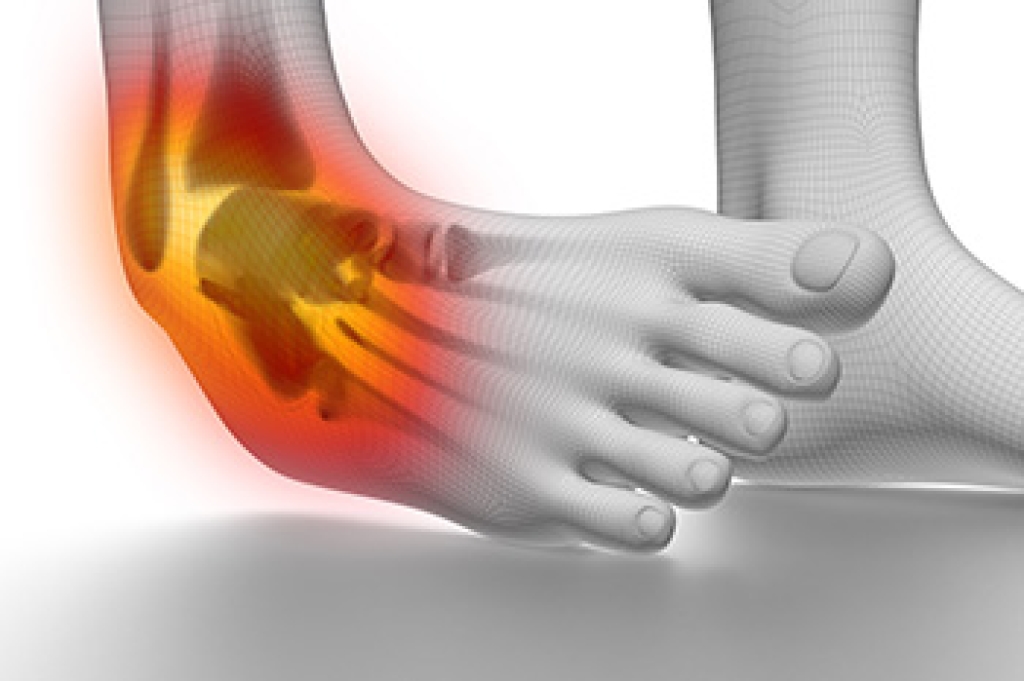
Ankle sprains occur when the ligaments that support the ankle are stretched or torn. This typically happens during sudden twisting movements, awkward landings, or uneven surfaces. While many ankle sprains heal with proper care, some cases may involve nerve damage, which can lead to more complex symptoms. Understanding the definition and causes of ankle sprains, along with the potential for nerve involvement, is important for early recognition and effective treatment.
Symptoms of a typical ankle sprain include pain, swelling, bruising, and limited movement. However, when nerve damage is present, additional signs may appear. These include radiating pain that travels beyond the ankle, altered skin sensation such as tingling or numbness, and unusual sensitivity to touch. In more severe cases, individuals may experience foot drop, which makes it difficult to lift the front part of the foot. Loss of muscle size can also occur if nerve signals are disrupted. These symptoms require careful attention, as they may indicate a more serious condition.
Risk factors for ankle sprains include participation in sports, walking on uneven terrain, and wearing improper footwear. Repeated sprains can increase the likelihood of nerve irritation or damage. High-impact activities and poor balance may also contribute to injury. When the ankle is unstable, nearby nerves may become compressed or stretched, leading to ongoing symptoms. Recognizing these risk factors can help individuals take preventive measures and reduce the chance of complications.
Proper care and early evaluation are essential for managing ankle injuries and preventing long-term effects. Rest, support, and gradual rehabilitation can help restore strength and stability. If signs of nerve damage are present, specialized treatment may be needed to protect function and mobility. If you suspect nerve damage from an ankle sprain, it is suggested that you consult a podiatrist for an accurate diagnosis and appropriate treatment.
Ankle sprains are common but need immediate attention. If you need your feet checked, contact Ali Davis, DPM from The Foot Clinic. Our doctor can provide the care you need to keep you pain-free and on your feet.
How Does an Ankle Sprain Occur?
Ankle sprains take place when the ligaments in your ankle are torn or stretched beyond their limits. There are multiple ways that the ankle can become injured, including twisting or rolling over onto your ankle, putting undue stress on it, or causing trauma to the ankle itself.
What Are the Symptoms?
Preventing a Sprain
Treatment of a Sprain
Treatment of a sprain depends on the severity. Many times, people are told to rest and remain off their feet completely, while others are given an air cast. If the sprain is very severe, surgery may be required.
If you have suffered an ankle sprain previously, you may want to consider additional support such as a brace and regular exercises to strengthen the ankle.
If you have any questions please feel free to contact our office located in Overland Park, KS . We offer the newest diagnostic tools and technology to treat your foot and ankle needs.

A cracking sound from the toes can happen when a joint bends, stretches, or changes position. One harmless cause is the release of gas bubbles in joint fluid. A tendon or ligament can shift across a bone and create a quick snap. Ligaments are strong bands of tissue that connect bones. These noises can occur after sitting still, when moving the toes, or while walking. Cracking without pain, swelling, or loss of movement does not always mean that the joint is damaged. However, a new sound that keeps returning deserves attention, especially when it affects comfort or movement.
Toe cracking can also be linked to an earlier injury, a small stress fracture, or arthritis. An old injury can change the position of a joint or leave scar tissue that catches as the toe bends. Arthritis wears down the cartilage that protects the ends of bones. As the joint surfaces become rough, movement can produce grinding, crunching, or popping sounds. Gout, a form of arthritis caused by uric acid crystals, can bring pain and swelling to the big-toe joint. Warning signs include warmth, stiffness, and difficulty pushing off the foot. A toe that locks, changes shape, or hurts with pressure also needs professional evaluation.
A podiatrist can examine the toes, check joint movement, and locate tenderness. The evaluation also considers past injuries, activity level, and changes in the sound. X-rays can reveal fractures, joint damage, or bone spurs. Other imaging can provide more detail when an injury is suspected. Treatment depends on the cause and can include custom orthotics to reduce pressure or shoe recommendations to improve support. A podiatrist can provide joint injections for painful conditions. If your toes make a cracking sound, it is suggested that you schedule an appointment with a podiatrist for a diagnosis and appropriate treatment.
Toe pain can disrupt your daily activities. If you have any concerns, contact Ali Davis, DPM of The Foot Clinic. Our doctor can provide the care you need to keep you pain-free and on your feet.
What Causes Toe Pain?
Most severe toe pain is caused due to a sports injury, trauma from dropping something heavy on the toe, or bumping into something rigid. Other problems can develop over time for various reasons.
Toe pain can be caused by one or more ailments. The most common include:
When to See a Podiatrist
Diagnosis
In many cases the cause of toe pain is obvious, but in others, a podiatrist may want to use more advanced methods to determine the problem. These can range from simple visual inspections and sensation tests to X-rays and MRI scans. Prior medical history, family medical history, and any recent physical traumatic events will all be taken into consideration for a proper diagnosis.
Treatment
Treatments for toe pain and injuries vary and may include shoe inserts, padding, taping, medicines, injections, and in some cases, surgery. If you believe that you have broken a toe, please see a podiatrist as soon as possible.
If you have any questions please contact our office located in Overland Park, KS . We offer the newest diagnostic and treatment technologies for all your foot and ankle needs.
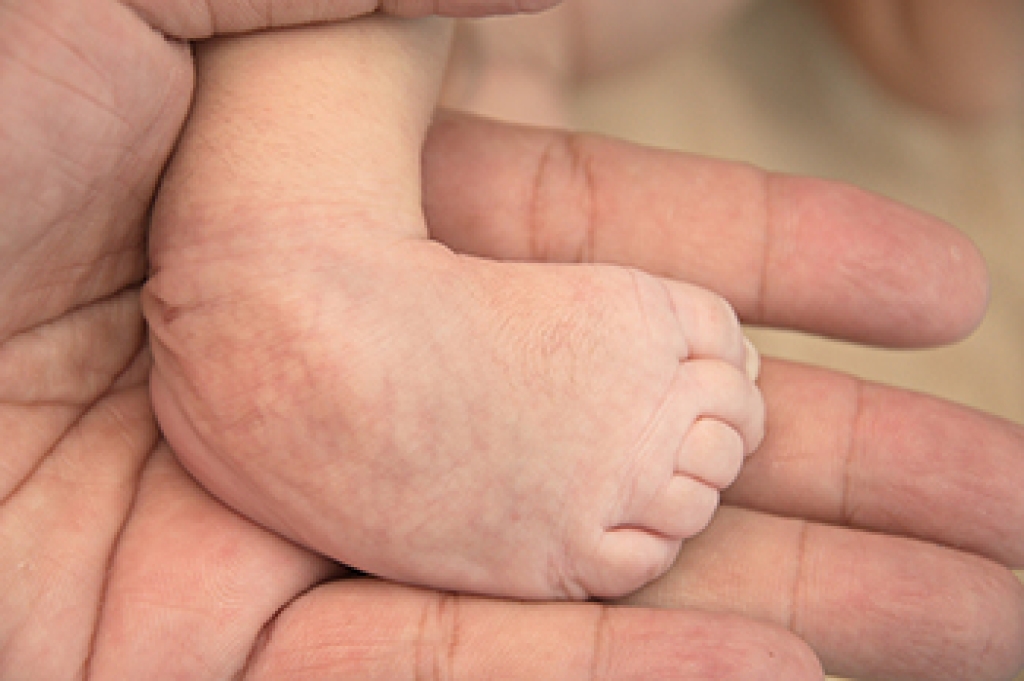
Congenital foot problems are present at birth and can affect the shape, position, or function of a child's feet. One of the most common congenital foot conditions is clubfoot, which causes the foot to twist inward and downward instead of developing in its usual position. Clubfoot may affect one foot or both feet. Although it is painless in newborns, it can lead to difficulty standing and walking if left untreated. Other congenital foot problems may involve differences in the toes or the overall structure of the foot. Because these conditions vary in severity, an early evaluation is important to determine the most appropriate treatment and support healthy foot development.
The exact cause of clubfoot is not always known, although genetic and developmental factors may play a role. Clubfoot develops before birth and is not caused by anything a parent did during pregnancy. As a child grows, an untreated foot deformity can affect balance, walking, and overall mobility. It may also place extra stress on the ankles, knees, and hips as the body tries to compensate for abnormal foot position. A thorough examination helps determine the type and severity of the condition. Early diagnosis allows healthcare providers to begin treatment at the most appropriate time and monitor progress as the child develops.
A podiatrist plays an important role in evaluating congenital foot problems and working with families throughout treatment. Care is based on the child's age, the severity of the condition, and overall foot development. A podiatrist also monitors foot growth, evaluates walking patterns, and helps identify any changes that require additional care. Regular follow-up visits can support healthy development and improve long-term function. If your child has signs of clubfoot or another congenital foot problem, it is suggested that you consult a podiatrist for an evaluation and appropriate treatment options.
Congenital foot problems require immediate attention to avoid future complications. If you have any concerns, contact Ali Davis, DPM of The Foot Clinic. Our doctor can provide the care you need to keep you pain-free and on your feet.
Congenital foot problems are deformities affecting the feet, toes, and/or ankles that children are born with. Some of these conditions have a genetic cause while others just happen. Some specific foot ailments that children may be born with include clubfeet, polydactyly/macrodactyly, and cleft foot. There are several other foot anomalies that can occur congenitally. What all of these conditions have in common is that a child may experience difficulty walking or performing everyday activities, as well as trouble finding footwear that fits their foot deformity. Some of these conditions are more serious than others. Consulting with a podiatrist as early as possible will help in properly diagnosing a child’s foot condition while getting the necessary treatment underway.
What are Causes of Congenital Foot Problem?
A congenital foot problem is one that happens to a child at birth. These conditions can be caused by a genetic predisposition, developmental or positional abnormalities during gestation, or with no known cause.
What are Symptoms of Congenital Foot Problems?
Symptoms vary by the congenital condition. Symptoms may consist of the following:
Treatment and Prevention
While there is nothing one can do to prevent congenital foot problems, raising awareness and receiving neonatal screenings are important. Early detection by taking your child to a podiatrist leads to the best outcome possible.
If you have any questions, please feel free to contact our office located in Overland Park, KS . We offer the newest diagnostic and treatment technologies for all your foot care needs.
Connect With Us
