
Suffering from this type of pain? You may have the foot condition known as Morton's neuroma. Morton's neuroma may develop as a result of ill-fitting footwear and existing foot deformities. We can help.
Suffering from this type of pain? You may have the foot condition known as Morton's neuroma. Morton's neuroma may develop as a result of ill-fitting footwear and existing foot deformities. We can help.
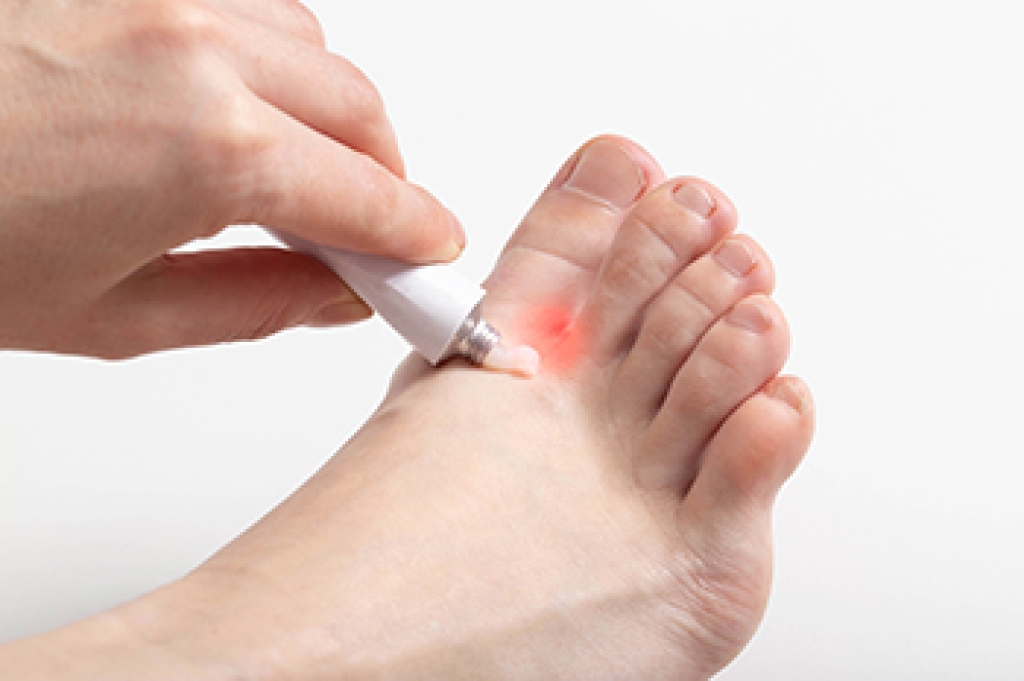
Athlete's foot is a common fungal infection of the skin that affects the feet, especially the areas between the toes. It develops when fungi thrive in warm, moist environments and begin to grow on the outer layer of skin. This condition is highly contagious and can spread through direct contact or shared surfaces, such as locker rooms and public showers. Although often mild in the early stages, athlete’s foot can worsenwithout proper care. Understanding its causes and early signs helps reduce discomfort and prevent further spread.
Symptoms of athlete’s foot often begin with itchy skin that may become persistent and irritating. The skin between the toes may appear sore, red, or soggy due to prolonged moisture exposure. Some individuals develop small blisters that can cause additional discomfort and sensitivity. Peeling, cracking, and flaking skin are also common, especially as the infection progresses. In more advanced cases, the affected area may become painful and interfere with walking or daily activities.
Several causes contribute to the development of this fungal infection. Warm and moist conditions create an ideal environment for fungal growth, especially when feet remain damp for extended periods. Wearing tight, non breathable shoes can trap moisture and increase the risk of infection. Walking barefoot in shared spaces also exposes the skin to fungi. Poor foot hygiene and not drying the feet thoroughly after bathing can further encourage the spread of infection.
Risk factors include excessive sweating, frequent use of communal areas, and prolonged use of enclosed footwear. Individuals with weakened immune systems or minor skin injuries may be more susceptible to infection. Preventive steps include keeping feet clean and dry, wearing moisture wicking socks, and choosing well-ventilated shoes. Early treatment can help control symptoms and prevent recurrence. If you have symptoms of athlete's foot, it is suggested that you consult a podiatrist for effective relief and treatment solutions, which may include prescribed medication.
Athlete’s Foot
Athlete’s foot is often an uncomfortable condition to experience. Thankfully, podiatrists specialize in treating athlete’s foot and offer the best treatment options. If you have any questions about athlete’s foot, consult with Ali Davis, DPM from The Foot Clinic. Our doctor will assess your condition and provide you with quality treatment.
What Is Athlete’s Foot?
Tinea pedis, more commonly known as athlete’s foot, is a non-serious and common fungal infection of the foot. Athlete’s foot is contagious and can be contracted by touching someone who has it or infected surfaces. The most common places contaminated by it are public showers, locker rooms, and swimming pools. Once contracted, it grows on feet that are left inside moist, dark, and warm shoes and socks.
Prevention
The most effective ways to prevent athlete’s foot include:
Symptoms
Athlete’s foot initially occurs as a rash between the toes. However, if left undiagnosed, it can spread to the sides and bottom of the feet, toenails, and if touched by hand, the hands themselves. Symptoms include:
Diagnosis and Treatment
Diagnosis is quick and easy. Skin samples will be taken and either viewed under a microscope or sent to a lab for testing. Sometimes, a podiatrist can diagnose it based on simply looking at it. Once confirmed, treatment options include oral and topical antifungal medications.
If you have any questions, please feel free to contact our office located in Overland Park, KS . We offer the newest diagnostic and treatment technologies for all your foot care needs.

Tarsal tunnel syndrome is a nerve compression condition that affects the posterior tibial nerve as it travels through a narrow space on the inside of the ankle. This tunnel is formed by bone and soft tissue, and when pressure builds within this area, the nerve becomes irritated. This condition is often compared to carpal tunnel syndrome in the wrist, but it affects the foot and ankle. Because symptoms can resemble other foot conditions, an accurate diagnosis is essential for effective treatment and long term relief.
Common symptoms include tingling, numbness, and sharp or shooting pain along the inside of the ankle or the bottom of the foot. These sensations may worsen with prolonged standing or walking. Many patients report that symptoms feel similar to plantar fasciitis, especially when heel pain is present. Others may confuse it with diabetic neuropathy due to the presence of nerve related discomfort, such as numbness or tingling. This overlap can delay proper care if not carefully evaluated.
Several causes and risk factors contribute to the development of tarsal tunnel syndrome. These include flat feet, ankle injuries, and space occupying masses such as cysts. Individuals with biomechanical imbalances or chronic conditions that affect circulation or nerve health may also be at increased risk. Repetitive stress and prolonged weight bearing activities can further aggravate the nerve and worsen symptoms over time.
Early evaluation and proper diagnosis is vital in managing this condition effectively. A podiatrist can differentiate between similar conditions and recommend appropriate treatment options to relieve pressure on the nerve. Addressing the underlying cause can help prevent progression and improve daily function. If you have symptoms related to tarsal tunnel syndrome, it is suggested that you consult a podiatrist for an accurate diagnosis and appropriate treatment.
Tarsal tunnel syndrome can be very uncomfortable to live with. If you are experiencing tarsal tunnel syndrome, contact Ali Davis, DPM of The Foot Clinic. Our doctor can provide the care you need to keep you pain-free and on your feet.
Tarsal Tunnel Syndrome
Tarsal tunnel syndrome, which can also be called tibial nerve dysfunction, is an uncommon condition of misfiring peripheral nerves in the foot. The tibial nerve is the peripheral nerve in the leg responsible for sensation and movement of the foot and calf muscles. In tarsal tunnel syndrome, the tibial nerve is damaged, causing problems with movement and feeling in the foot of the affected leg.
Common Cause of Tarsal Tunnel Syndrome
The Effects of Tarsal Tunnel Syndrome
A physical exam of the leg can help identify the presence of tarsal tunnel syndrome. Medical tests, such as a nerve biopsy, are also used to diagnose the condition. Patients may receive physical therapy and prescriptive medication. In extreme cases, some may require surgery.
If you have any questions please contact our office located in Overland Park, KS . We offer the newest diagnostic and treatment technologies for all your foot and ankle needs.

High heels can change the way the body carries weight and place extra pressure on the front of the foot. As heel height increases, more body weight shifts toward the toes instead of being evenly distributed across the foot. This added stress may lead to foot pain and increase the risk of problems over time. Common conditions linked to wearing high heels include bunions, hammertoes, and nerve irritation. High heels may also affect balance and change the way a person walks. This can place extra strain on the ankles, knees, and lower back. While not everyone who wears high heels develops foot problems, frequent use may increase the chance of discomfort and long-term changes in foot structure.
A podiatrist can evaluate how high heels are affecting your feet and identify conditions before they become more serious. During an examination, the podiatrist checks foot alignment, joint movement, and areas of increased pressure. They also look for changes in the toes, skin, and soft tissues that may be contributing to pain. Treatment depends on the specific condition and the severity of symptoms. Professional care may include custom orthotics, supportive footwear recommendations, or other medical treatments designed to improve comfort and reduce stress on the feet. Early evaluation can also help prevent ongoing pain from interfering with daily activities.
Professional foot pain treatment and podiatry care can help relieve discomfort while protecting your long-term foot health. Addressing symptoms early may improve mobility and reduce the risk of lasting foot problems. A podiatrist develops a treatment plan based on your individual needs and monitors your progress over time. Whether pain develops gradually or begins after wearing high heels more often, early care can support better foot function and comfort. If high heels are causing foot pain or toe discomfort, it is suggested that you consult a podiatrist for an evaluation.
High heels have a history of causing foot and ankle problems. If you have any concerns about your feet or ankles, contact Ali Davis, DPM from The Foot Clinic. Our doctor can provide the care you need to keep you pain-free and on your feet.
Effects of High Heels on the Feet
High heels are popular shoes among women because of their many styles and societal appeal. Despite this, high heels can still cause many health problems if worn too frequently.
Which Parts of My Body Will Be Affected by High Heels?
What Kinds of Foot Problems Can Develop from Wearing High Heels?
How Can I Still Wear High Heels and Maintain Foot Health?
If you want to wear high heeled shoes, make sure that you are not wearing them every day, as this will help prevent long term physical problems. Try wearing thicker heels as opposed to stilettos to distribute weight more evenly across the feet. Always make sure you are wearing the proper shoes for the right occasion, such as sneakers for exercising. If you walk to work, try carrying your heels with you and changing into them once you arrive at work. Adding inserts to your heels can help cushion your feet and absorb shock. Full foot inserts or metatarsal pads are available.
If you have any questions, please feel free to contact our office located in Overland Park, KS . We offer the newest diagnostic and treatment technologies for all your foot care needs.
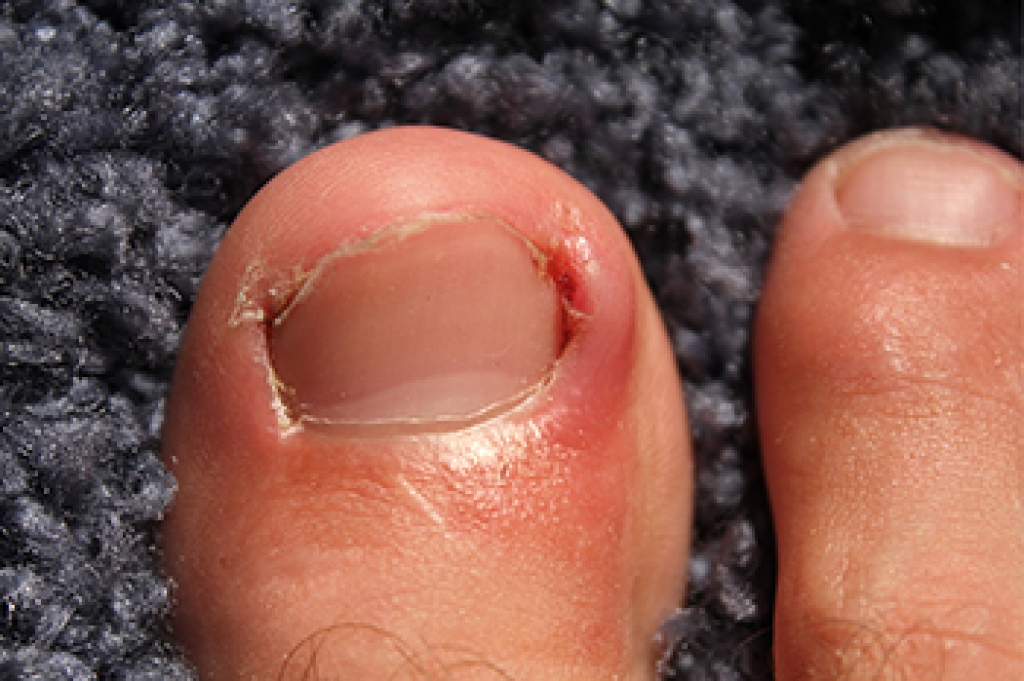
Ingrown toenails develop when the edge of a toenail grows into the surrounding skin instead of over it. The problem usually affects the big toe and can become painful as the nail presses deeper into the skin. Redness, swelling, and tenderness frequently appear along the side of the nail. As the condition worsens, drainage or signs of infection can develop. Several factors increase the risk of an ingrown toenail, including trimming the nails too short, toe injuries, and wearing shoes that squeeze the toes together. Some people are also born with nails that naturally curve more than usual, making ingrown toenails more likely.
A podiatrist can determine how deeply the nail has grown into the skin and whether an infection is present. During the examination, the podiatrist checks the nail, the surrounding skin, and the overall health of the foot. Patients with diabetes, poor circulation, or reduced feeling in their feet should seek prompt care because even a small nail problem can become more serious. When an infection is present, the podiatrist develops a treatment plan to control the infection while addressing the ingrown nail. This approach helps relieve pain and supports healthy healing.
Treatment depends on the severity of the ingrown toenail. A podiatrist can carefully remove the part of the nail that is growing into the skin. For patients with repeated ingrown toenails, a simple office procedure can remove part of the nail and treat the nail root to reduce the chance of the problem returning. In severe cases, more of the nail is removed to restore comfort and protect the toe. A podiatrist can also recommend shoes that provide proper support and enough room for the toes to reduce pressure on the affected nail. If you have symptoms of an ingrown toenail, it is suggested that you schedule an appointment with a podiatrist for diagnosis and appropriate treatment, which may include minor surgery.
Ingrown toenails may initially present themselves as a minor discomfort, but they may progress into an infection in the skin without proper treatment. For more information about ingrown toenails, contact Ali Davis, DPM of The Foot Clinic. Our doctor can provide the care you need to keep you pain-free and on your feet.
Ingrown Toenails
Ingrown toenails are caused when the corner or side of a toenail grows into the soft flesh surrounding it. They often result in redness, swelling, pain, and in some cases, infection. This condition typically affects the big toe and may recur if it is not treated properly.
Causes
You are more likely to develop an ingrown toenail if you are obese, have diabetes, arthritis, or have any fungal infection in your nails. Additionally, people who have foot or toe deformities are at a higher risk of developing an ingrown toenail.
Symptoms
Some symptoms of ingrown toenails are redness, swelling, and pain. In rare cases, there may be a yellowish drainage coming from the nail.
Treatment
Ignoring an ingrown toenail can have serious complications. Infections of the nail border can progress to a deeper soft-tissue infection, which can then turn into a bone infection. You should always speak with your podiatrist if you suspect you have an ingrown toenail, especially if you have diabetes or poor circulation.
If you have any questions, please feel free to contact our office located in Overland Park, KS . We offer the newest diagnostic and treatment technologies for all your foot care needs.
Connect With Us
