
Gout is a painful, inflammatory form of arthritis. Those affected will typically feel an intense stiffness in the joints of their feet, particularly in the big toe. Schedule a visit to learn about how gout can be managed and treated.
Gout is a painful, inflammatory form of arthritis. Those affected will typically feel an intense stiffness in the joints of their feet, particularly in the big toe. Schedule a visit to learn about how gout can be managed and treated.

Running can be great exercise, but foot pain from running can make each step uncomfortable. During each stride, the feet absorb forces that may reach about three times your body weight. Repeated impact can stress bones, joints, and soft tissues. Common conditions include plantar fasciitis, stress fractures, and big toe pain called hallux rigidus. Symptoms may develop gradually or appear after changes in mileage, speed, or running surface. Paying attention to early discomfort can help prevent a bigger problem.
Plantar fasciitis affects the thick band of tissue beneath the foot. It connects the heel to the toes and helps support the arch. Runners may feel sharp heel pain with their first steps after rest. Tight calf muscles, increased training, and poor foot support can raise the risk. A stress fracture is a small crack in a bone caused by repeated loading. Pain worsens with activity and may include swelling or tenderness. Rapid training increases, hard surfaces, and inadequate recovery can contribute.
Hallux rigidus is stiffness and arthritis affecting the joint at the base of the big toe. Running can become painful when the toe bends during push-off. Symptoms may include joint pain, stiffness, or a bump on top of the joint. Risk factors include foot structure, previous injury, and repeated stress. A podiatrist can examine your foot, review your training, and check how you walk. X-rays may be recommended. Treatment may include rest, footwear changes, or other care based on the diagnosis.
You do not have to ignore running-related foot pain or push through it. A podiatrist can identify your symptoms and develop a plan for healing. Treatment may also include gradual return-to-running guidance, when appropriate. Wearing supportive shoes and increasing training slowly can help protect your feet. If you have foot pain from running, it is suggested that you consult a podiatrist for effective relief and treatment solutions, enabling you to return to this popular activity.
Foot Pain
Foot pain can be extremely painful and debilitating. If you have a foot pain, consult with Ali Davis, DPM from The Foot Clinic. Our doctor will assess your condition and provide you with quality foot and ankle treatment.
Causes
Foot pain is a very broad condition that could be caused by one or more ailments. The most common include:
Diagnosis
To figure out the cause of foot pain, podiatrists utilize several different methods. This can range from simple visual inspections and sensation tests to X-rays and MRI scans. Prior medical history, family medical history, and any recent physical traumatic events will all be taken into consideration for a proper diagnosis.
Treatment
Treatment depends upon the cause of the foot pain. Whether it is resting, staying off the foot, or having surgery; podiatrists have a number of treatment options available for foot pain.
If you have any questions, please feel free to contact our office located in Overland Park, KS . We offer the newest diagnostic and treatment technologies for all your foot care needs.

Choosing the right running shoes starts with knowing where you plan to run. Road-running shoes are designed for paved surfaces such as sidewalks and roads. They are usually lightweight and have cushioning that helps absorb repeated impact. Trail running shoes are made for uneven outdoor terrain. They often have deeper tread for traction and stronger materials for protection. Both should fit comfortably and provide support without squeezing the toes.
Trail shoes generally have features that help runners handle rocks, roots, and changing surfaces. Their soles can provide stronger grip, while protective materials may help shield the feet from rough terrain. Road shoes usually have smoother outsoles that work well on pavement. Their cushioning can make repeated strides more comfortable on hard surfaces. Neither type is automatically better. The best choice depends on your running environment, foot structure, and individual needs.
Wearing the wrong running shoes can place extra stress on the feet and ankles. Wearing shoes that fit poorly may contribute to blisters, corns, and toenail problems. Inadequate support or cushioning may also contribute to heel pain, plantar fasciitis, or ankle discomfort. Risk can increase when runners wear worn-out shoes or suddenly change their usual terrain. Pain, swelling, or recurring discomfort should not be considered a normal part of running.
If foot pain develops, a podiatrist can examine your feet and assess how your shoes affect your movement. The examination may include checking your gait, foot structure, and areas of tenderness. Treatment may involve activity changes, wearing supportive footwear, or custom orthotics, when appropriate. Your podiatrist can also recommend when you should replace worn running shoes. Choosing shoes based on your running surface can help reduce unnecessary stress and keep you moving comfortably. If you have foot pain from wearing the wrong shoes while running or hiking, it is suggested that you consult a podiatrist for effective relief and treatment solutions.
For more information about walking shoes versus running shoes, consult with Ali Davis, DPM from The Foot Clinic. Our doctor can measure your feet to determine what your needs are and help you find an appropriate pair of footwear.
Foot Health: The Differences between Walking & Running Shoes
There are great ways to stay in shape: running and walking are two great exercises to a healthy lifestyle. It is important to know that running shoes and walking shoes are not interchangeable. There is a key difference on how the feet hit the ground when someone is running or walking. This is why one should be aware that a shoe is designed differently for each activity.
You may be asking yourself what the real differences are between walking and running shoes and the answers may shock you.
Differences
Walking doesn’t involve as much stress or impact on the feet as running does. However, this doesn’t mean that you should be any less prepared. When you’re walking, you land on your heels and have your foot roll forward. This rolling motion requires additional support to the feet.
Flexibility – Walking shoes are designed to have soft, flexible soles. This allows the walker to push off easily with each step.
If you have any questions, please feel free to contact our office located in Overland Park, KS . We offer the newest diagnostic and treatment technologies for all your foot care needs.
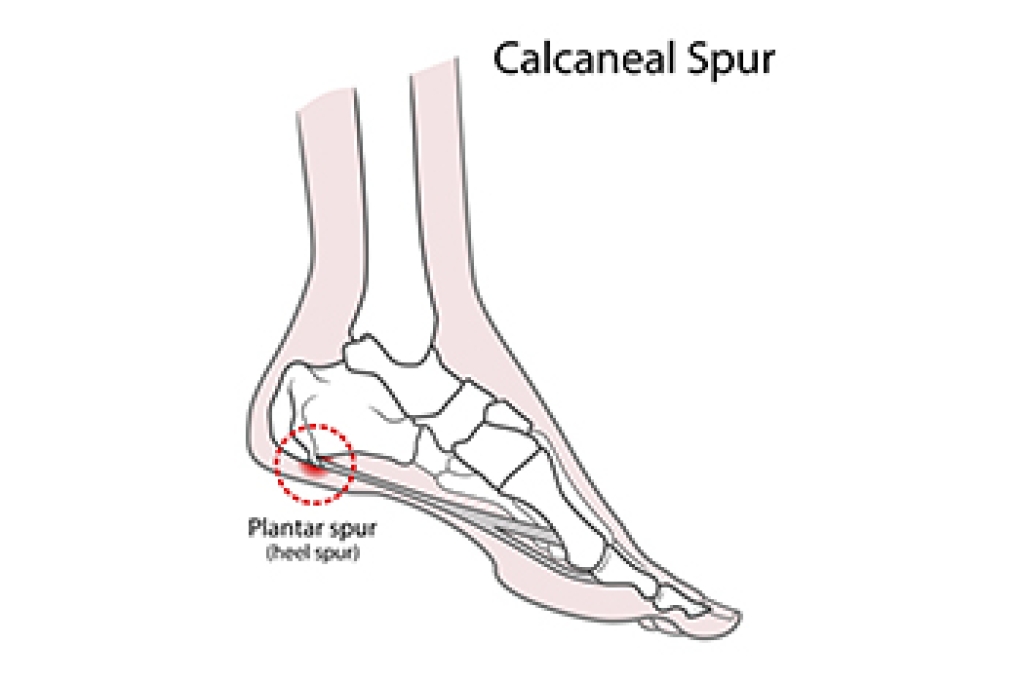
Heel spurs are bony growths that develop on the heel bone. They can form where the plantar fascia, a strong band of tissue along the bottom of the foot, attaches to the heel. Repeated strain on this tissue and the foot muscles can contribute to spur formation. Heel spurs are also linked with plantar fasciitis, which causes irritation in the plantar fascia. However, a heel spur does not always cause pain. Some people have a spur that is discovered on an X-ray even though they have no heel symptoms.
When heel spurs do cause symptoms, patients can feel pain and tenderness on the bottom of the heel. Discomfort can become more noticeable when standing, walking, or running. Some people describe the pain as feeling like pins pressing into the bottom of the foot. Because several foot problems can cause heel pain, identifying the source is important. A podiatrist can examine the heel, ask about activities that trigger discomfort, and evaluate foot structure. Imaging can also show whether a bony growth is present and help confirm the diagnosis.
A podiatrist can develop a treatment plan based on the cause and severity of heel pain. Treatment can focus on reducing pressure around the heel and improving the way the foot functions. Options can include custom orthotics, supportive shoe recommendations, and targeted stretching. A podiatrist can also evaluate whether plantar fasciitis or another foot problem is contributing to the symptoms. When pain continues despite conservative treatment, other treatment choices can be discussed. If you have symptoms of heel spurs, it is suggested that you schedule an appointment with a podiatrist for diagnosis and treatment.
Heel spurs can be incredibly painful and sometimes may make you unable to participate in physical activities. To get medical care for your heel spurs, contact Ali Davis, DPM from The Foot Clinic. Our doctor will do everything possible to treat your condition.
Heels Spurs
Heel spurs are formed by calcium deposits on the back of the foot where the heel is. This can also be caused by small fragments of bone breaking off one section of the foot, attaching onto the back of the foot. Heel spurs can also be bone growth on the back of the foot and may grow in the direction of the arch of the foot.
Older individuals usually suffer from heel spurs and pain sometimes intensifies with age. One of the main condition's spurs are related to is plantar fasciitis.
Pain
The pain associated with spurs is often because of weight placed on the feet. When someone is walking, their entire weight is concentrated on the feet. Bone spurs then have the tendency to affect other bones and tissues around the foot. As the pain continues, the feet will become tender and sensitive over time.
Treatments
There are many ways to treat heel spurs. If one is suffering from heel spurs in conjunction with pain, there are several methods for healing. Medication, surgery, and herbal care are some options.
If you have any questions, please feel free to contact our office located in Overland Park, KS . We offer the newest diagnostic and treatment technologies for all your foot care needs.
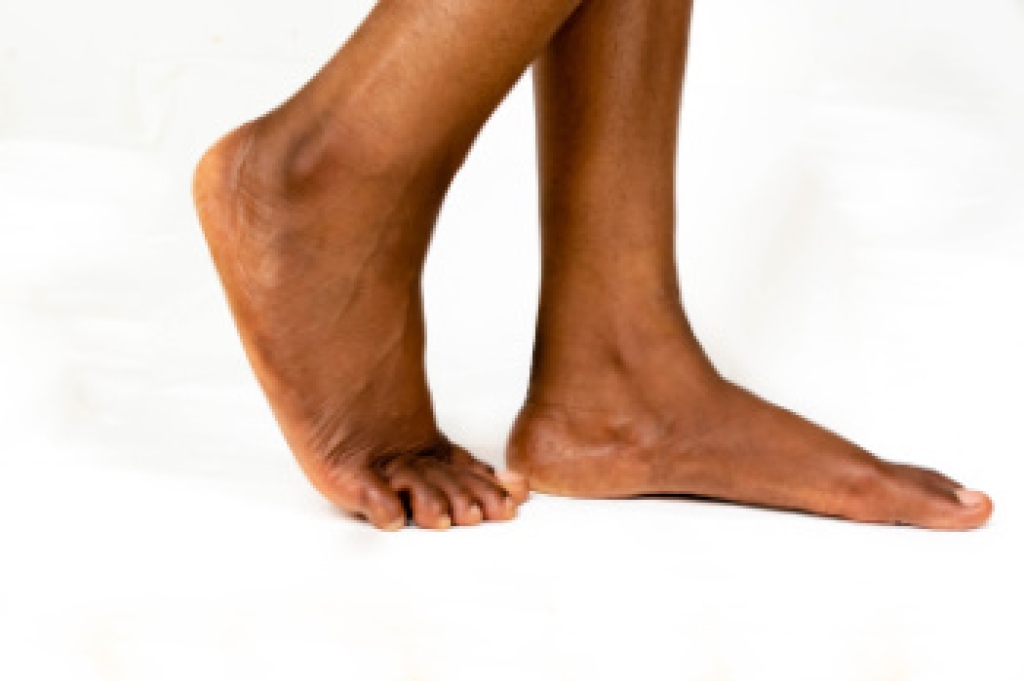
Flat feet occur when the arches of the feet appear flattened while standing. In young children, little or no visible arch can be a normal part of development. The arch usually becomes more noticeable as a child grows. Flexible flatfoot is one form in which the arch appears when the child is sitting or standing on tiptoes, but flattens when standing normally. Many children with flexible flat feet have no pain. However, some develop discomfort or problems with activity that deserve a closer evaluation by a podiatrist.
Parents can watch for signs that flat feet are affecting a child’s comfort or movement. Symptoms can include pain, tenderness, or cramping in the feet or legs. Some children have difficulty with certain activities or become tired more quickly than expected. Another type, called rigid flatfoot, remains flat whether the child is standing or sitting. This form can be linked to problems with the bones or joints of the foot. A podiatrist can examine foot structure, watch how the child walks, and assess the range of motion. Imaging tests can provide more information in certain cases.
Treatment depends on the type of flatfoot and whether it is causing symptoms. A podiatrist can determine whether treatment is appropriate after evaluating the child’s feet and movement. Care for painful flexible flatfoot can include custom orthotics, wearing supportive shoes, and stretching exercises. These approaches can help support the feet and improve comfort with activity. More complex cases require treatment based on the underlying cause and the severity of symptoms. Regular evaluation can also help a podiatrist track changes in foot development as a child grows. If your child has pain from having flat feet, it is suggested that you schedule an appointment with a podiatrist for effective relief and managemnt solutions.
Flatfoot is a condition many people suffer from. If you have flat feet, contact Ali Davis, DPM from The Foot Clinic. Our doctor will treat your foot and ankle needs.
What Are Flat Feet?
Flatfoot is a condition in which the arch of the foot is depressed and the sole of the foot is almost completely in contact with the ground. About 20-30% of the population generally has flat feet because their arches never formed during growth.
Conditions & Problems:
Having flat feet makes it difficult to run or walk because of the stress placed on the ankles.
Alignment – The general alignment of your legs can be disrupted, because the ankles move inward which can cause major discomfort.
Knees – If you have complications with your knees, flat feet can be a contributor to arthritis in that area.
Symptoms
Treatment
If you are experiencing pain and stress on the foot you may weaken the posterior tibial tendon, which runs around the inside of the ankle.
If you have any questions, please feel free to contact our office located in Overland Park, KS . We offer the newest diagnostic and treatment technologies for all your foot care needs.
Connect With Us
