Connect With Us
Items filtered by date: January 2026
Friday, 30 January 2026 00:00
Do You Suffer From Painful Feet?
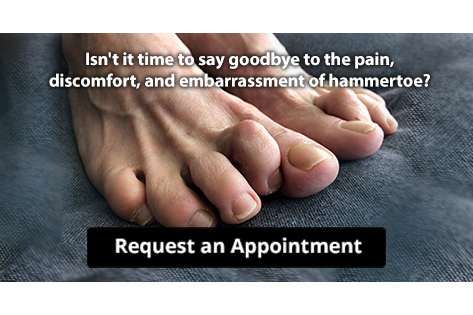
Painful deformities, such as hammertoes, can be treated. Stop living with foot pain, and have beautiful feet again!
Tuesday, 27 January 2026 00:00
Treatment Options for Achilles Insertional Tendinopathy

Pain where the Achilles tendon attaches to the heel bone is called Achilles insertional tendinopathy. This condition often develops gradually and can be stubborn to resolve. Treatment usually begins with reducing strain on the tendon. Activity modification is important, especially avoiding hills, stairs, and sudden increases in exercise. Wearing supportive shoes with a slightly elevated heel can decrease tension at the site. Stretching should be approached carefully, since aggressive stretching may worsen symptoms in this area. Targeted exercises often focus on strengthening the lower leg muscles and improving ankle motion in a controlled way. Anti-inflammatory measures may help calm pain and swelling. In some cases, orthotics or heel lifts are used to improve foot mechanics and reduce stress on the tendon. Advanced options may be considered if pain persists. When heel pain limits walking or daily activity, it is suggested that you see a podiatrist for a proper diagnosis and appropriate treatment.
Achilles tendon injuries need immediate attention to avoid future complications. If you have any concerns, contact Ali Davis, DPM of The Foot Clinic. Our doctor can provide the care you need to keep you pain-free and on your feet.
What Is the Achilles Tendon?
The Achilles tendon is a tendon that connects the lower leg muscles and calf to the heel of the foot. It is the strongest tendon in the human body and is essential for making movement possible. Because this tendon is such an integral part of the body, any injuries to it can create immense difficulties and should immediately be presented to a doctor.
What Are the Symptoms of an Achilles Tendon Injury?
There are various types of injuries that can affect the Achilles tendon. The two most common injuries are Achilles tendinitis and ruptures of the tendon.
Achilles Tendinitis Symptoms
- Inflammation
- Dull to severe pain
- Increased blood flow to the tendon
- Thickening of the tendon
Rupture Symptoms
- Extreme pain and swelling in the foot
- Total immobility
Treatment and Prevention
Achilles tendon injuries are diagnosed by a thorough physical evaluation, which can include an MRI. Treatment involves rest, physical therapy, and in some cases, surgery. However, various preventative measures can be taken to avoid these injuries, such as:
- Thorough stretching of the tendon before and after exercise
- Strengthening exercises like calf raises, squats, leg curls, leg extensions, leg raises, lunges, and leg presses
If you have any questions please feel free to contact our office located in Overland Park, KS . We offer the newest diagnostic tools and technology to treat your foot and ankle needs.
Tuesday, 20 January 2026 00:00
Foot Infections Linked to Diabetes

Foot infections are a frequent concern for people living with diabetes because high blood sugar can weaken the skin, slow the healing process, and reduce sensation in the feet. Small cuts, blisters, or cracks may go unnoticed and can quickly become irritated or swollen. Infections often show up as redness, warmth, increasing pain, or drainage, and the skin may feel firmer or appear darker surrounding the affected area. Treatment focuses on identifying the source, cleaning the area carefully, and protecting the skin from further pressure or friction. Medications may be needed to control bacteria, and specialized dressings can support healing. A podiatrist will also evaluate circulation, nerve health, and any structural issues that could contribute to repeated infections. Early care is essential because infections can worsen quickly in the presence of diabetes. If you have diabetes and notice changes in your feet, it is suggested that you are under the care of a podiatrist who can help you to manage this serious condition.
Diabetic foot care is important in preventing foot ailments such as ulcers. If you are suffering from diabetes or have any other concerns about your feet, contact Ali Davis, DPM from The Foot Clinic. Our doctor can provide the care you need to keep you pain-free and on your feet.
Diabetic Foot Care
Diabetes affects millions of people every year. The condition can damage blood vessels in many parts of the body, especially the feet. Because of this, taking care of your feet is essential if you have diabetes, and having a podiatrist help monitor your foot health is highly recommended.
The Importance of Caring for Your Feet
- Routinely inspect your feet for bruises or sores.
- Wear socks that fit your feet comfortably.
- Wear comfortable shoes that provide adequate support.
Patients with diabetes should have their doctor monitor their blood levels, as blood sugar levels play such a huge role in diabetic care. Monitoring these levels on a regular basis is highly advised.
It is always best to inform your healthcare professional of any concerns you may have regarding your feet, especially for diabetic patients. Early treatment and routine foot examinations are keys to maintaining proper health, especially because severe complications can arise if proper treatment is not applied.
If you have any questions, please feel free to contact our office located in Overland Park, KS . We offer the newest diagnostic and treatment technologies for all your foot care needs.
Tuesday, 13 January 2026 00:00
How to Treat Foot Pain

Foot pain can make every step uncomfortable, but effective treatment starts with understanding the source of the discomfort. Many people find relief through wearing supportive footwear that cushions the arch and reduces pressure on sensitive areas. Custom orthotics can also correct underlying structural issues and improve alignment. When pain is caused by inflammation or overuse, rest and gentle stretching may ease symptoms and prevent further irritation. Conditions such as plantar fasciitis, arthritis, tendon problems, or nerve issues often require more targeted care, including specific exercises or medication prescribed by a podiatrist. Persistent or worsening pain should never be ignored, as early intervention offers the best chance for healing. If you have persistent foot pain, it is suggested that you see a podiatrist for an accurate diagnosis and a personalized treatment plan tailored to your needs.
Foot Pain
Foot pain can be extremely painful and debilitating. If you have a foot pain, consult with Ali Davis, DPM from The Foot Clinic. Our doctor will assess your condition and provide you with quality foot and ankle treatment.
Causes
Foot pain is a very broad condition that could be caused by one or more ailments. The most common include:
- Bunions
- Hammertoes
- Plantar Fasciitis
- Bone Spurs
- Corns
- Tarsal Tunnel Syndrome
- Ingrown Toenails
- Arthritis (such as Gout, Rheumatoid, and Osteoarthritis)
- Flat Feet
- Injury (from stress fractures, broken toe, foot, ankle, Achilles tendon ruptures, and sprains)
- And more
Diagnosis
To figure out the cause of foot pain, podiatrists utilize several different methods. This can range from simple visual inspections and sensation tests to X-rays and MRI scans. Prior medical history, family medical history, and any recent physical traumatic events will all be taken into consideration for a proper diagnosis.
Treatment
Treatment depends upon the cause of the foot pain. Whether it is resting, staying off the foot, or having surgery; podiatrists have a number of treatment options available for foot pain.
If you have any questions, please feel free to contact our office located in Overland Park, KS . We offer the newest diagnostic and treatment technologies for all your foot care needs.
Tuesday, 06 January 2026 00:00
Clubfoot and Podiatric Care

Clubfoot is a congenital foot deformity in which a baby is born with one or both feet twisted inward and downward. The condition affects the bones, muscles, tendons, and ligaments, causing the foot to appear stiff and misaligned. Causes are not always known, but genetics, neuromuscular conditions, and developmental factors during pregnancy may play a role. Symptoms include an abnormal foot position, limited range of motion, differences in foot size, and difficulty bearing weight as a child grows. Without treatment, clubfoot can lead to pain and problems with walking. A podiatrist can help by diagnosing the condition early and coordinating appropriate care. Treatment may include gentle stretching, casting, bracing, and long-term monitoring to support proper development. If your child shows signs of clubfoot or abnormal foot positioning, it is strongly suggested that you include a podiatrist on your health care team to ensure an effective growth and mobility.
Congenital foot problems require immediate attention to avoid future complications. If you have any concerns, contact Ali Davis, DPM of The Foot Clinic. Our doctor can provide the care you need to keep you pain-free and on your feet.
Congenital foot problems are deformities affecting the feet, toes, and/or ankles that children are born with. Some of these conditions have a genetic cause while others just happen. Some specific foot ailments that children may be born with include clubfeet, polydactyly/macrodactyly, and cleft foot. There are several other foot anomalies that can occur congenitally. What all of these conditions have in common is that a child may experience difficulty walking or performing everyday activities, as well as trouble finding footwear that fits their foot deformity. Some of these conditions are more serious than others. Consulting with a podiatrist as early as possible will help in properly diagnosing a child’s foot condition while getting the necessary treatment underway.
What are Causes of Congenital Foot Problem?
A congenital foot problem is one that happens to a child at birth. These conditions can be caused by a genetic predisposition, developmental or positional abnormalities during gestation, or with no known cause.
What are Symptoms of Congenital Foot Problems?
Symptoms vary by the congenital condition. Symptoms may consist of the following:
- Clubfoot, where tendons are shortened, bones are shaped differently, and the Achilles tendon is tight, causing the foot to point in and down. It is also possible for the soles of the feet to face each other.
- Polydactyly, which usually consists of a nubbin or small lump of tissue without a bone, a toe that is partially formed but has no joints, or an extra toe.
- Vertical talus, where the talus bone forms in the wrong position causing other bones in the foot to line up improperly, the front of the foot to point up, and the bottom of the foot to stiffen, with no arch, and to curve out.
- Tarsal coalition, when there is an abnormal connection of two or more bones in the foot leading to severe, rigid flatfoot.
- Cleft foot, where there are missing toes, a V-shaped cleft, and other anatomical differences.
- Macrodactyly, when the toes are abnormally large due to overgrowth of the underlying bone or soft tissue.
Treatment and Prevention
While there is nothing one can do to prevent congenital foot problems, raising awareness and receiving neonatal screenings are important. Early detection by taking your child to a podiatrist leads to the best outcome possible.
If you have any questions, please feel free to contact our office located in Overland Park, KS . We offer the newest diagnostic and treatment technologies for all your foot care needs.
Blog Archives
- April 2026
- March 2026
- February 2026
- January 2026
- December 2025
- November 2025
- October 2025
- September 2025
- August 2025
- July 2025
- June 2025
- May 2025
- April 2025
- March 2025
- February 2025
- January 2025
- December 2024
- November 2024
- October 2024
- September 2024
- August 2024
- July 2024
- June 2024
- May 2024
- April 2024
- March 2024
- February 2024
- January 2024
- December 2023
- November 2023
- October 2023
- September 2023
- August 2023
- July 2023
- June 2023
- May 2023
- April 2023
- March 2023
- February 2023
- January 2023
- December 2022
- November 2022
- October 2022
- September 2022
- August 2022
- July 2022
- June 2022
- May 2022
- April 2022
- March 2022
- February 2022
- January 2022
- December 2021
- November 2021
- October 2021
- September 2021
- August 2021
- July 2021
- June 2021
- May 2021
- April 2021
- March 2021
- February 2021
- January 2021
- December 2020
- November 2020
- October 2020
- September 2020
- August 2020
- July 2020
- June 2020
- May 2020
- April 2020
- March 2020
- February 2020
- January 2020
- December 2019
- November 2019
- October 2019
- September 2019
